Bird of Paradise Care
Arvind Singh
19-11-2026
 · Plant Team
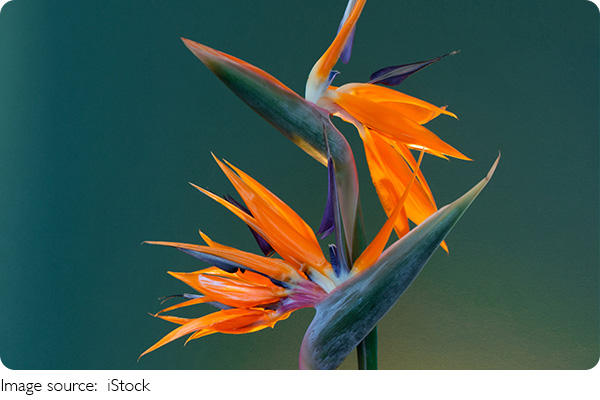
Bird of Paradise is a popular ornamental plant known for its large leaves and colorful flowers. Its distinctive appearance makes it an attractive addition to homes and gardens.
Although it needs plenty of warmth and light, caring for this plant is manageable with good preparation and steady attention. From choosing healthy seedlings to managing water and soil, a few basic steps can help your Bird of Paradise grow successfully.
1. Choose a Bright Location
Bird of Paradise thrives on generous natural light and steady air circulation. Indoors, place the container near a sunny south- or west-facing window where it gets at least four to six hours of bright sun each day. Low light slows new foliage and prevents blooms from forming, while gentle airflow keeps broad leaves healthy—do not worry if older leaves develop natural splits along their veins, as that helps the plant bend safely in breezes. For outdoor planting, choose a bright location with enough room for the plant to spread. Good ventilation also helps maintain a comfortable growing environment.
Bearded, Cold-Hardy, or Japanese, Pick the Right Iris for Your Soil and You'll Get Years of Blooms From One Planting
A Walk Through the Plucking and Processing Steps That Turn Fresh Leaves Into the Tea in Your Cup.
They look alike from the pond bank, but the leaves, stems, and roots tell two very different stories.
Ferns Are Easier Than You Think, Once You Get the Water and Light Balance Right
Why succulent roots rot so easily and how to water them so they don't.
A Short Guide to the Trees That Carry Early Color, From Cherry to Magnolia, Plus How to Pick One for Your Space

2. Prepare Well-Draining Soil
Rich, fast-draining soil is essential for sturdy root growth because fleshy Bird of Paradise roots rot easily in soggy ground. Blend a loose, airy planting mix using three simple ingredients:
- Vermiculite to retain balanced moisture without turning heavy.
- Perlite to open air pockets and speed excess water drainage.
- Leaf mold or aged compost to supply gentle organic nutrients.
Mix these ingredients thoroughly before filling the container. Choose a planting container with drainage holes to prevent excess water from collecting around the roots.
3. Select a Healthy Plant
Before purchasing a Bird of Paradise seedling, examine its leaves and roots carefully. Choose a plant with full, healthy-looking leaves and consistent coloring. Avoid specimens showing obvious damage or signs of insect problems.
The roots should also appear well developed and in good condition. A healthy root system helps the plant adjust more easily to a new container.
Taking a few minutes to pick a vigorous young plant makes repotting smoother and sets you up for steady, trouble-free growth.
4. Follow These Planting Steps
Once the soil and seedling are ready, you can begin planting.
Step 1: Prepare the planter.
Fill a sturdy container with drainage holes with the prepared soil mixture. Leave enough space for the root system.
Step 2: Position the seedling.
Carefully remove the plant from its original container. Place it in the center of the new planter and allow the roots to spread naturally.
Step 3: Add soil.
Fill the empty spaces around the roots with more planting mixture. Distribute it evenly to support the plant.
Step 4: Firm the soil.
Gently press the soil around the base. Avoid compacting it too tightly because the roots need good air circulation.
Step 5: Water thoroughly.
Water the soil evenly until it becomes moist. Allow excess water to drain through the holes at the bottom.
5. Manage Watering Properly
Bird of Paradise prefers moist soil but does not grow well when its roots remain in standing water. Checking the soil before watering is therefore important.
Press your finger about two inches into the potting mix—if the top layer feels dry, water thoroughly until moisture runs out the bottom drainage holes, and if it still feels damp, wait a few more days. Plants drink faster during sunny summer growth and need less water in cooler winter months. Avoid following a fixed watering schedule without considering the soil condition. Indoor temperature, light, and ventilation can all influence how quickly the soil dries.
6. Provide Feeding and Pruning
A balanced organic fertilizer supports lush foliage during spring and summer when the plant is actively growing. Feed roughly every two weeks during warm months, diluting to the label's recommended strength, then pause feeding in autumn and winter while growth naturally slows.
Pruning helps maintain an attractive appearance. Remove dry leaves and faded flowers when necessary. You can also remove unwanted growth to keep the plant looking neat.
Use clean gardening tools and avoid removing healthy leaves unnecessarily.
7. Check for Pests
Check the undersides of leaves and along the stems every week for fine webbing, sticky residue, or tiny bumps from common indoor pests like spider mites and mealybugs. Wiping leaves regularly with a damp cloth or giving foliage a light rinse clears dust and early pests before they spread, and if an infestation persists, treat promptly with gentle insecticidal soap according to the label. Good ventilation and proper watering also help maintain a healthier growing environment.
Final Thoughts
Bird of Paradise rewards patience—young indoor plants often take three to five years to reach flowering maturity, growing taller and bolder with each new leaf along the way. Keep the light bright, let the top layer of soil dry slightly between waterings, and enjoy watching this striking tropical centerpiece bring dramatic greenery into your home.
Bird of Paradise Care Guide - How to Pick, Place, and Parent Your New Plant
Video by Plntd