Iris Varieties Worth Growing

Pankaj Singh
19-11-2026
 · Plant Team
Hi, and welcome. Irises look fussy in photos, all those ruffled petals and stiff upright leaves, but most of them are tougher than they appear.
The trick is knowing which type you're actually planting, because a bearded iris and a Russian iris want completely different things from your garden.

Two Roots, Two Habits
Bearded irises grow from thick fleshy rhizomes that sit right at the soil surface, and that shallow placement matters. Bury one deep, and it sulks or rots. Russian and Japanese irises grow from thin fibrous roots and want moisture, so treat the two groups as separate plants. Plant a bearded rhizome in late summer, with the top of the rhizome just visible above the soil, spacing them roughly 12 to 24 inches apart.
A Walk Through the Plucking and Processing Steps That Turn Fresh Leaves Into the Tea in Your Cup.
They look alike from the pond bank, but the leaves, stems, and roots tell two very different stories.
Ferns Are Easier Than You Think, Once You Get the Water and Light Balance Right
Why succulent roots rot so easily and how to water them so they don't.
A Short Guide to the Trees That Carry Early Color, From Cherry to Magnolia, Plus How to Pick One for Your Space
Chlorophyll fades, hidden yellows appear, and crisp autumn weather triggers trees to craft brand-new shades of red.
The Bearded Classics
Tall bearded irises are the ones most people picture, with varieties like 'Beverly Sills' in coral pink and 'Victoria Falls' in pale blue. They bloom in late spring on stems around 30 to 40 inches tall. Dwarf bearded types such as 'Cherry Garden' stay under 10 inches and open about a month earlier. Give them full sun and sharp drainage, and divide clumps every three to four years when flowering thins out.
Water Lovers That Still Behave
Russian irises handle wet ground and clay better than most perennials, which is why 'Caesar's Brother' shows up in so many damp borders. Japanese irises take even more moisture and bloom later, in early summer, with wide flat flowers on 'Caprician Butterfly'. Both prefer soil that stays consistently moist, and neither needs the rhizome exposed. Mulch them and they'll settle in for years.
Planting Depth and Timing
Bare-root irises ship best in late summer, when bearded types are dormant. Set the rhizome in a shallow hole with a small mound in the middle, spread the roots down the sides, and water once. For fibrous-rooted types, plant the crown about an inch below the surface. Space them so that air can move between leaves, since crowded clumps invite leaf spot in humid weather.
Keeping Blooms Coming
Deadhead spent flowers, but leave the foliage until it yellows, because the leaves feed the rhizome for next year. A light sprinkle of low-nitrogen fertilizer in early spring is enough. Too much nitrogen pushes leaf growth and soft rhizomes that rot. Watch for iris borers, which leave small pinholes in leaves; remove and destroy affected fans rather than composting them.
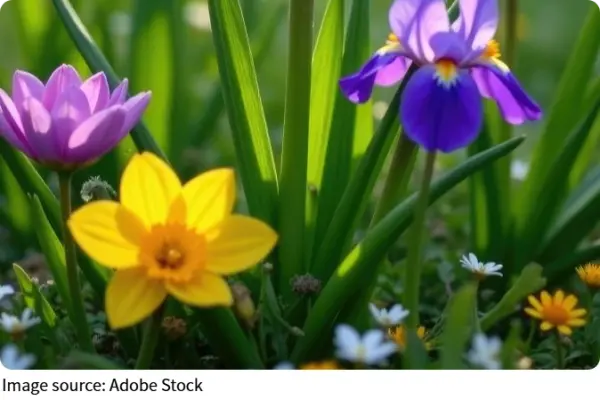
You don't need a huge collection to get the effect. One well-sited clump of bearded iris and one damp-loving, cold-hardy iris will cover most of the season between them. Check your soil drainage first, match the type to it, and plant at the right depth. That's most of the work done.