Spring Trees That Bloom
Mukesh Kumar
18-11-2026
 · Plant Team
Spring color is usually attributed to bulbs and bedding plants, but the real structure of an early garden lies higher up.
The trees do the heavy lifting, and they start weeks before most perennials wake up. Walk any older neighborhood in March, and you'll see what I mean: whole streets lined in white and pink before the grass has even greened.
Start With the Cherries
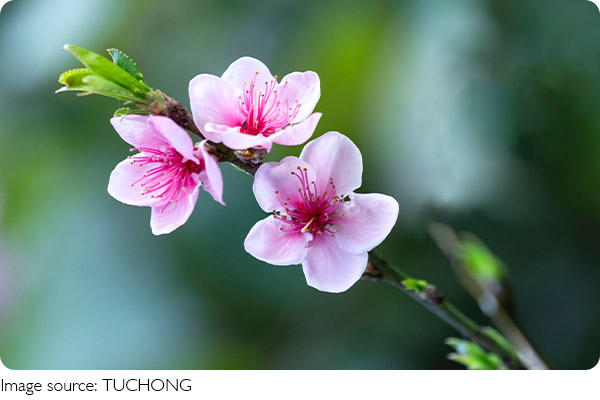
Cherry trees are the first name most people reach for, and for good reason. Yoshino cherry is the classic, the one planted in bulk along the Tidal Basin in Washington, D.C., and it opens pale pink to nearly white. Kwanzan cherry comes later and hits harder with double pink blooms. One practical note: most ornamental cherries are grafted, so check the rootstock before you buy. They want full sun and well-draining soil, and they'll sulk in a wet spot.
Chlorophyll fades, hidden yellows appear, and crisp autumn weather triggers trees to craft brand-new shades of red.
Want beautiful blooms at home? Learn simple growing tips for healthy Asiatic lilies and vibrant flowers!
Dreaming of charming rose blooms? Get practical tips for planting, watering, pruning, and everyday care!
Leggy growth isn't random. Light, water, and season all push your plant to reach.
Trees at the back, shrubs in the middle, flowers up front. Here's how the three tiers actually fit together.
Why maple leaves turn red, how sap becomes syrup, and what those winged seeds actually do.
The Magnolias Arrive Early
Magnolias do not wait for leaves. Saucer magnolia opens big cup-shaped flowers in shades from white to deep pink, often before the last frost, which is exactly the risk. A late freeze can brown every bloom overnight. Star magnolia is smaller, white, and a safer bet for a tight yard since it stays under about 20 feet. Plant either where you can see it from a window, because the show lasts maybe two weeks.
Crabapples Earn Their Space
Crabapples get dismissed as messy, and that's fair for the old varieties. But newer disease-resistant types like Prairie Fire carry deep pink buds that open to white and then hold small red fruit into winter. You get flowers, fall color, and bird activity from one tree. They handle a wider range of soil than cherries do, which matters if your ground is heavy clay.
Do Not Forget the Dogwoods
Flowering dogwood is the one that works in shade, which makes it useful under taller oaks. The "petals" you see are actually bracts, and they open flat and wide in white or pink. Cornus florida is the native choice, though it's sensitive to drought and to a fungal issue called anthracnose, so keep it watered through dry summers. Kousa dogwood blooms later and shows more resistance.
Match the Tree to Your Space
Before you dig, measure. A Yoshino cherry can spread 25 to 30 feet, so it does not belong eight feet from a fence. Check the mature height on the tag rather than the sapling in front of you. And plant in fall if you can. Roots establish through cool weather, and the tree faces its first summer with a head start. Water deeply once a week for that first year, more in a hot stretch.
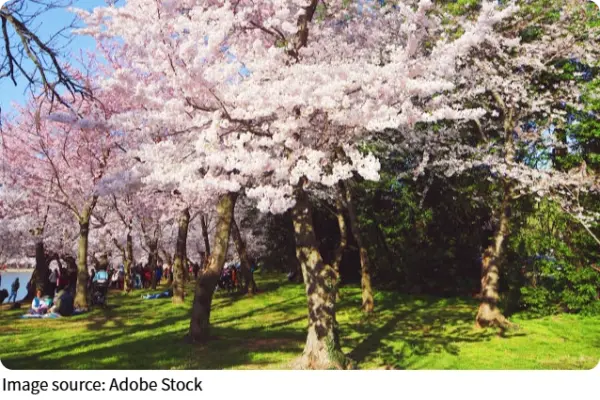
Spring trees reward a little planning more than most plants. Pick one that fits your actual space, plant it in the right season, and give it steady watering for its first year. Then just wait for the window when the whole street goes white. You'll notice it next spring, and probably every spring after.