Ferns That Actually Thrive

Naveen Kumar
18-11-2026
 · Plant Team
Ferns have a reputation for being fussy, the kind of plant that browns out the moment you look away.

But most ferns don't fail because they're delicate. They fail because people treat them like ordinary houseplants and water them on a schedule rather than listening to what the fronds are telling them.
Start With the Right Fern
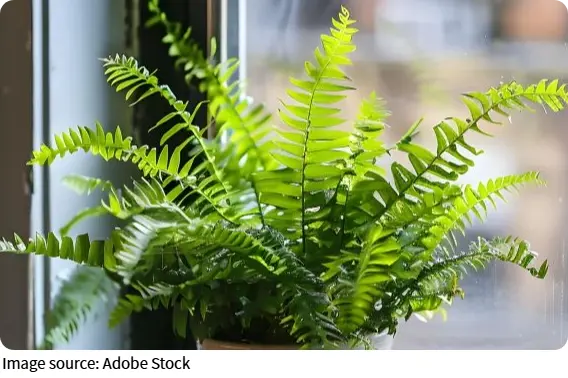
You'll have an easier time if you pick a fern that matches your actual conditions rather than the one you liked most at the nursery. The Boston fern (Nephrolepis exaltata) handles average room humidity and bright indirect light, which is why it's the one you see hanging in so many homes. The maidenhair fern (Adiantum) is the opposite story: it wants constant moisture and will crisp at the edges if the air dries out for even a day. If your room runs dry, skip the maidenhair and go with a holly fern or a bird's nest fern (Asplenium nidus), both of which tolerate lower humidity without drama.
Why succulent roots rot so easily and how to water them so they don't.
A Short Guide to the Trees That Carry Early Color, From Cherry to Magnolia, Plus How to Pick One for Your Space
Chlorophyll fades, hidden yellows appear, and crisp autumn weather triggers trees to craft brand-new shades of red.
Want beautiful blooms at home? Learn simple growing tips for healthy Asiatic lilies and vibrant flowers!
Dreaming of charming rose blooms? Get practical tips for planting, watering, pruning, and everyday care!
Leggy growth isn't random. Light, water, and season all push your plant to reach.
Light That Mimics the Forest Floor
Ferns evolved under tree canopies, so direct midday sun burns them. A north-facing window or a spot a few feet back from an east window suits most varieties. You'll know the light is too strong when the fronds turn pale or develop bleached patches in the center. Too little light shows up differently: new growth comes in thin and stretched out, and the plant stops producing new fronds altogether. Aim for bright but indirect light, the kind of light where you can read a book without turning on a lamp.
Water Is Where Most Ferns Fail
Do not water on a fixed weekly schedule. Stick a finger about an inch into the soil, and water when it feels barely damp rather than completely dry. Boston ferns in particular hate drying out completely, and once the root ball goes crisp, recovery takes months. The other mistake is the opposite one: sitting the container in a saucer of standing water, which rots the roots fast. Empty the saucer twenty minutes after watering and you'll avoid most of the trouble. If your tap water is heavily treated, let it sit out overnight before using it, since ferns are sensitive to the minerals in hard water.
Humidity Without a Greenhouse
Most ferns want humidity around 50 percent or higher, and typical indoor air in heated rooms sits well below that. You don't need a humidifier running all day. Grouping several plants together raises the local humidity around them, and a pebble tray under the container works as well, as long as the container sits on the stones rather than in the water. Misting helps briefly but fades within an hour, so it's a supplement rather than a fix.
Feeding and Repotting, Kept Simple
Feed with a diluted liquid fertilizer at half strength every four to six weeks during spring and summer, then stop entirely through fall and winter. Full-strength fertilizer burns the fine roots ferns depend on. Repot when roots start circling inside the container, usually every 1 to 2 years, using a well-draining mix, such as 2 parts potting soil to 1 part perlite. Choose a container only one size up; ferns in oversized containers stay wet too long.
Common Problems and What They Mean
Brown, crispy tips usually point to dry air or inconsistent watering. Yellowing fronds across the whole plant often mean the soil stays soggy. Small brown spots in the center of the fronds can be scale insects, which you can wipe off with a cotton swab dipped in rubbing Isopropyl. And if the plant looks sparse in the middle with healthy growth only at the edges, it's probably rootbound and ready for a bigger container.
Get the watering rhythm and the indirect light right, and a fern becomes one of the lowest-effort plants you can keep. Check the soil before you reach for the watering can next time, and let the plant tell you what it needs.