Succulent Roots Explained

Owen Murphy
18-11-2026
 · Plant Team
Hi there. You water a succulent, it looks fine for a week, then one morning the whole thing flops over and the base is brown and soft.
The problem usually isn't the leaves. It's below the soil line, where succulent roots do a few things most houseplants don't.
Fine roots that vanish fast
Succulents grow two kinds of roots. The permanent ones are thick and fibrous, built to anchor the plant for years and store reserve moisture. The ones doing the daily drinking are hair-thin rain roots that sprout near the soil surface right after moisture arrives. Those fine roots die back within days once the ground dries, and a jade plant (Crassula ovata) in a dry container can lose most of them in under a week. That is why a succulent left dry for a month needs a gentle initial watering to wake up new roots before returning to full soakings.
A Short Guide to the Trees That Carry Early Color, From Cherry to Magnolia, Plus How to Pick One for Your Space
Chlorophyll fades, hidden yellows appear, and crisp autumn weather triggers trees to craft brand-new shades of red.
Want beautiful blooms at home? Learn simple growing tips for healthy Asiatic lilies and vibrant flowers!
Dreaming of charming rose blooms? Get practical tips for planting, watering, pruning, and everyday care!
Leggy growth isn't random. Light, water, and season all push your plant to reach.
Trees at the back, shrubs in the middle, flowers up front. Here's how the three tiers actually fit together.
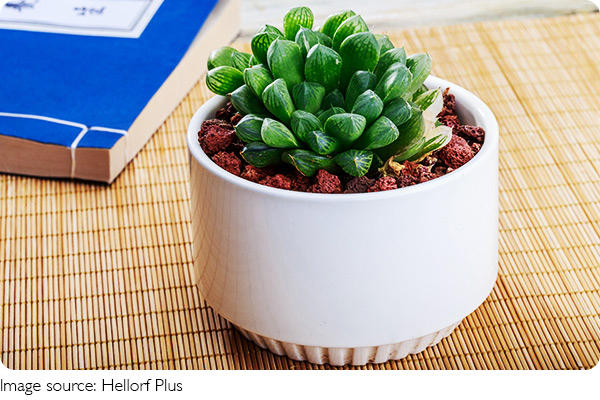
Shallow by design, not by accident
In habitat, most succulents sit on rocky ground where water runs off instead of soaking in. So they keep roots near the surface, where a brief shower actually lands. Echeveria and Sedum roots rarely go deeper than a few inches in a normal container. You will see this clearly when you repot one and the root ball turns out wide and flat rather than deep. Choosing a shallow, wide planter—ideally unglazed terracotta that lets moisture evaporate through its walls—prevents unused soil at the bottom from staying soggy for weeks.
Why wet soil kills them
Root hairs need oxygen to take up water. In a standard potting mix, water fills the air pockets and the fine roots suffocate, then bacteria move in. A succulent in regular soil can show rot within 48 hours of a heavy watering. Use a fast-draining gritty mix—roughly 50 to 70 percent pumice, coarse sand, or perlite blended with light potting soil—so water rushes through before the roots sit in stagnant moisture. Avoid dense garden soil or pure peat mixes, which hold water like a sponge and trap roots in airless mud.
How to water for the roots you have
Soak the container thoroughly until water flows freely out the drainage hole, then wait until all the soil dries completely—not just the top inch. For a 4-inch container in a bright window, that usually means watering every 10 to 14 days in summer and every 3 to 4 weeks in winter. Watch the lower leaves for subtle wrinkling or softness as your cue, and skip the tablespoon-a-week habit—light sips keep the top layer damp without ever hydrating the deeper roots.
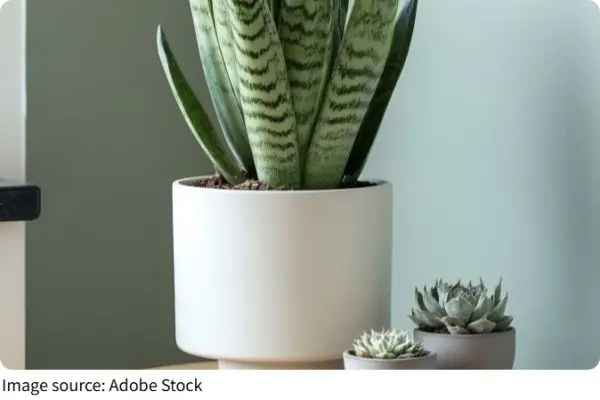
Reading root health at repot time
Healthy roots look pale tan or white and feel firm to the touch. Black, hollow, or mushy roots signal rot—trim them back to clean, firm tissue with a clean blade, let the exposed ends dry and callous for two to three days, and repot in fresh, dry gritty mix before waiting another week to water. White, cottony clumps tucked into the root ball are root mealybugs; rinse away the old soil thoroughly under lukewarm water and treat the roots with insecticidal soap before replanting.
Healthy Roots Mean Healthy Succulents
The roots are doing far more work than the plump leaves ever show you. Give them airy soil, a container that breathes, and a steady soak-and-dry rhythm, and check the root ball whenever you repot—it will always tell you the honest story of how your plant has been living.