Lotus vs Water Lily

Caleb Ryan
19-11-2026
 · Plant Team
Welcome to today's article. From the edge of a pond, a lotus and a water lily can look like the same plant.
Both float on still water, both open large layered flowers in summer, and both turn up in the same garden centers. But once you crouch down and look at where the leaves meet the water, the two split apart fast.
Where the leaves actually sit
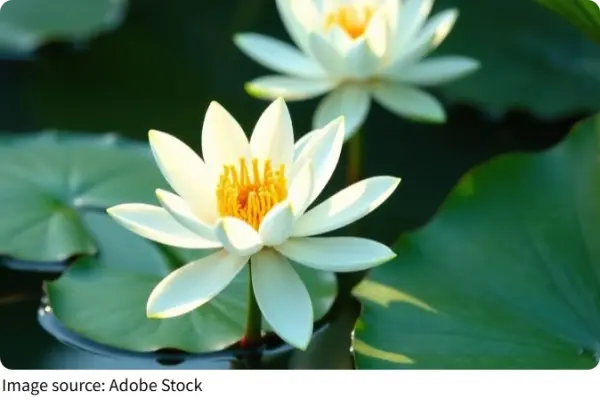
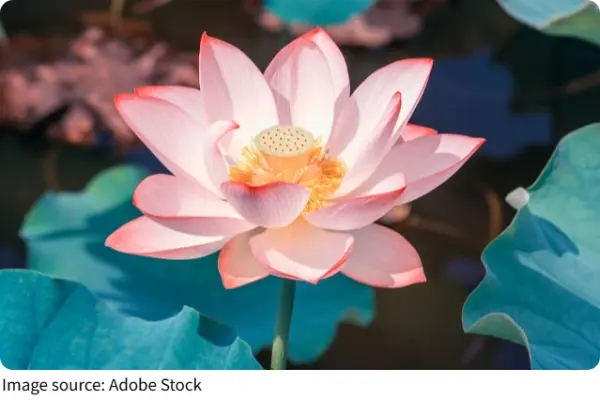
The clearest giveaway is leaf height. Water lily leaves rest flat on the water surface, with a distinctive notch cut into each pad, and they don't rise above the pond. Lotus leaves stand up on stiff stalks, often 3 to 6 feet above the water in a mature stand, and they're round and whole with no notch. Run your hand over a lotus leaf and water beads and rolls off, a self-cleaning effect that keeps dust from blocking light.
Ferns Are Easier Than You Think, Once You Get the Water and Light Balance Right
Why succulent roots rot so easily and how to water them so they don't.
A Short Guide to the Trees That Carry Early Color, From Cherry to Magnolia, Plus How to Pick One for Your Space
Chlorophyll fades, hidden yellows appear, and crisp autumn weather triggers trees to craft brand-new shades of red.
Want beautiful blooms at home? Learn simple growing tips for healthy Asiatic lilies and vibrant flowers!
Dreaming of charming rose blooms? Get practical tips for planting, watering, pruning, and everyday care!
The stems that tell the truth
Reach under a water lily pad and you'll find a soft, flexible stem that disappears into the mud. Lotus stalks are rigid and fibrous, and if you cut one you'll see air channels running through it. That's the same structure that lets lotus roots survive in low-oxygen mud. It's also why lotus spreads so aggressively: those thick rhizomes creep outward and can take over a shallow pond within a couple of seasons.
Flowers and how they open
Water lily flowers usually float right at the surface or hover just above it, and many open in the morning and close by afternoon. Lotus flowers rise well clear of the water on tall stalks and hold their shape for several days. The seed pod is the other difference. After a lotus blooms, it forms a flat, showerhead-shaped pod that dries and stands through fall, while a water lily simply fades and sinks.
Which one fits your pond
Small backyard ponds suit water lilies better. A dwarf variety like Nymphaea 'Pygmaea Helvola' stays contained in a 10 to 15 gallon container and needs maybe 6 hours of sun. Lotus needs more room and more patience, plus a heavy container and full sun, and it won't bloom reliably in a small tub. Hardy water lilies tolerate frost and come back each spring from zone 4 upward, while tropical types need warmer water and often get treated as annuals in cold climates.
Reading the roots before you buy
At the nursery, check what's in the container. Water lily rhizomes are short and thick, sitting near the soil surface. Lotus rhizomes look like long, jointed runners with visible nodes, similar in shape to a ginger root. Plant a lotus too shallow and it may push leaves but skip flowers; give it 6 to 12 inches of soil depth and a spot with at least 8 hours of direct sun.
Once you know to look at leaf height and stem stiffness, you'll never mix them up again. Next time you pass a pond, take ten seconds to check whether those pads are resting on the water or standing above it, and you'll know exactly what you're looking at.