Wild Rose Growing Tips

Declan Kennedy
18-11-2026
 · Plant Team
Wild roses bring a relaxed, natural character to the garden with their simple flowers, graceful branches, and seasonal rose hips. Unlike many highly cultivated rose varieties, wild species often have a straightforward growth habit and can adapt well to suitable outdoor conditions.
Once established in the right location, they can provide seasonal color without requiring constant attention. For gardeners who enjoy a less formal landscape, learning how to grow wild roses can be a rewarding place to begin.
Choose the Right Location
The first step is selecting a suitable planting site. Most wild roses grow best in locations that receive plenty of sunlight and have well-drained soil. Good sunlight supports healthy foliage and flowering, while proper drainage helps prevent excessive moisture around the roots.
Leggy growth isn't random. Light, water, and season all push your plant to reach.
Trees at the back, shrubs in the middle, flowers up front. Here's how the three tiers actually fit together.
Why maple leaves turn red, how sap becomes syrup, and what those winged seeds actually do.
A calm, crisp pairing that works in beds, borders, and cut arrangements all season
A simple look at how plants sense light and gently turn toward it as they grow
How to Turn Pink Hydrangeas Into Beautiful Blue Blooms With the Right Soil and Simple Gardening Techniques.
Before planting, loosen compacted soil and clear away weeds or other unwanted growth. Wild roses can tolerate different soil conditions, but improving the planting area gives a new shrub a better start.
Some species have different preferences. Swamp rose, for example, is naturally suited to wetter ground than many other wild rose varieties. Checking the needs of the particular species before planting can help ensure the location is appropriate.
Give the Shrub Enough Room
Wild roses can develop into broad, spreading shrubs, so adequate spacing is important. A young plant may look small when first placed in the garden, but its mature size should guide the location and spacing.
Avoid crowding several shrubs together. Good airflow between branches and leaves can help create healthier growing conditions, while sufficient room allows each plant to develop its natural shape. Crowded growth can also make routine maintenance more difficult. Think about the mature height and width of the selected variety before planting. This simple bit of planning can reduce the need for heavy pruning later and gives the shrub enough space to grow naturally.
Plant With Care
Planting a wild rose begins with preparing a hole that is wide and deep enough for the root system. The roots should fit comfortably without being tightly folded or forced into a small space. Position the plant securely, return the soil around the roots, and water thoroughly after planting.
During the establishment period, keep the soil reasonably moist. Watering should be adjusted according to rainfall and local conditions rather than following a rigid schedule. The goal is to provide enough moisture without leaving the ground constantly saturated.
Keep nearby weeds under control as the young shrub becomes established. Weeds compete with new plants for moisture, nutrients, and growing space. A layer of organic mulch around the planting area can also help conserve soil moisture and reduce unwanted growth.
Prune Only When Needed
Wild roses generally do not need frequent pruning. Their naturally loose growth is part of their appeal, so there is usually no need to shape them as heavily as formal garden shrubs. Pruning can be useful when branches become damaged, overcrowded, or extend beyond the space available. Remove unwanted growth selectively rather than cutting the shrub back heavily every season.
Timing also matters when flowers and rose hips are important features. Many wild roses bloom mainly during spring or early summer. After flowering, the plants may produce rose hips that remain attractive later in the season. Leaving some faded flowers allows these colorful fruits to develop.
Choose a Suitable Species
Wild roses are not all alike. Different species can vary in mature size, flower color, fragrance, flowering period, and tolerance of particular growing conditions. Wood's wild rose, for instance, can grow several feet tall and produces fragrant pink flowers. Other wild species may be better suited to wetter areas, drier conditions, or different soil types.
Before buying or planting one, consider the conditions already present in the garden. Matching the rose to the site is often more useful than trying to change the entire growing area to suit a particular variety.
Enjoy the Natural Growth
One of the appealing qualities of wild roses is their less formal appearance. Their branches do not always form the tightly controlled shape associated with ornamental rose gardens, and their seasonal changes add interest beyond the flowering period.
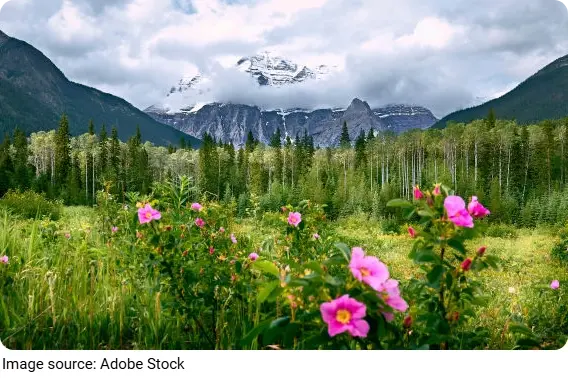
Growing wild roses can be simple when the plant's natural habits are taken into account. With the right species in the right place, a wild rose can become a lasting feature that brings flowers, foliage, and natural character to the garden.