Family Hiking Tips

Kenji
20-11-2026
 · Travel Team
Taking children hiking on a weekend is a wonderful way to enjoy nature, strengthen family connections, and encourage young explorers to become more confident.
However, a successful outdoor adventure requires thoughtful preparation. Parents need to consider the route, clothing, food, water, weather, and possible emergencies before leaving home.
With the right arrangements, even a simple walking trail can become an enjoyable family experience filled with discovery and learning.
Choose a Suitable Hiking Route
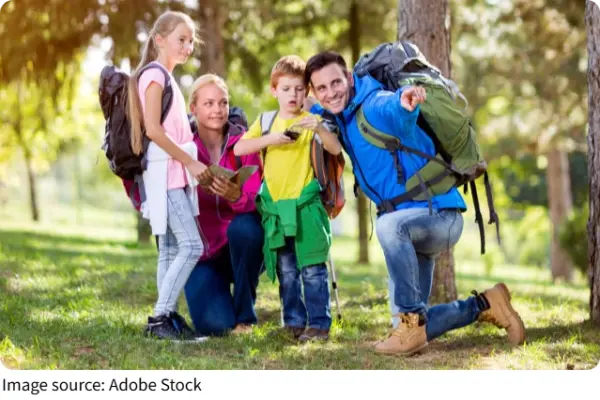
Start by selecting a trail that matches your child's age, physical ability, and outdoor experience. Preschool children generally need shorter walks, while elementary school children can gradually explore longer, clearly marked routes.
Beyond the Beach: Enjoying a Paraw Adventure with Friends and Family in Boracay.
The Art of Paraw Sailing: Discovering Boracay’s Traditional Boat Design.
Mountains Ten Minutes From Downtown, a Grid You Can Learn in a Day, and a Lake That Surprises First-Timers
What to See, Where to Stay, and How to Move Around George Town on a Realistic Budget.
A practical look at ferries, jeepneys, and what a week in Cebu actually costs.
What to know before you go, from the four-kilometer sand stretch to costs and timing.
Distance is not the only consideration. Look for trails with gentle slopes, shaded resting areas, and interesting natural features. Scenic viewpoints and places to observe plants can make the journey more exciting.
Parents can also set small goals along the way, such as reaching a resting point or finding different leaf shapes. Before departure, study the route, identify possible exits, and download an offline map in case mobile signal becomes unreliable.
Prepare Clothing and Equipment
Comfortable equipment helps children enjoy hiking without unnecessary discomfort. Choose a lightweight backpack that fits properly. A useful guideline is to keep its weight below 10% of the child's body weight.
Clothing should suit the weather and allow easy movement. A three-layer system works well:
- Base layer: Lightweight, quick-drying shirts and trousers.
- Middle layer: A fleece jacket for cooler conditions.
- Outer layer: A water-resistant jacket for changing weather.
Comfortable walking shoes, suitable socks, sunscreen, and a small first-aid kit are also important.
Choose sunscreen with SPF 30 or higher and reapply approximately every two hours. A whistle can help children attract attention if they become separated from the group. Remember to bring any personal emergency medication they may need.
Pack Enough Food and Water
Children need regular energy during outdoor activities. Pack convenient snacks such as whole-grain sandwiches, rice balls, bananas, raisins, and suitable nuts for older children.
Use sealed food containers to keep snacks clean and protected from insects. A family picnic can become a pleasant break during the journey. Choose a flat resting area and bring rubbish bags to collect all waste.
Water is equally important. The amount needed depends on the weather, walking distance, and individual activity level. Encourage children to drink regularly instead of waiting until they feel thirsty. Water bottles with easy-to-use lids or drinking straws can make this routine more convenient.
Make Hiking a Learning Experience
Outdoor adventures offer children opportunities to learn beyond the classroom. Parents can encourage them to compare leaf shapes, observe rocks, identify plants, or record interesting discoveries in a small notebook.
A simple compass demonstration can introduce basic navigation skills. These activities help children develop curiosity and awareness of their surroundings.
Hiking also teaches patience and confidence. Divide longer walks into smaller stages and celebrate progress along the way. If children become tired, slow down and allow them to rest rather than rushing toward the destination.
Prepare for Unexpected Situations
A small first-aid kit should include adhesive bandages and other basic supplies. If a child develops a blister, protect the affected area. For an ankle injury, stop walking and provide appropriate first aid.
If someone shows signs of overheating, move them to a cooler, shaded area and begin cooling them. Seek medical assistance if symptoms are serious or do not improve.
Parents should also prepare for changing weather. During thunderstorms, avoid exposed high ground and isolated trees. Add warm clothing when temperatures drop. In dense fog, stop moving along unfamiliar terrain and reassess the safest way forward.
Establish Simple Safety Rules
Before departure, explain that children should stay within sight of their parents and avoid exploring unfamiliar paths alone.
Choose a meeting point and explain what children should do if they become separated. Bright clothing makes them easier to notice, while an identification wristband with contact information provides additional reassurance.
Check the weather forecast before leaving and change the plan when conditions are unsuitable. Allow extra time so nobody feels pressured to finish the walk quickly.
Final Thoughts
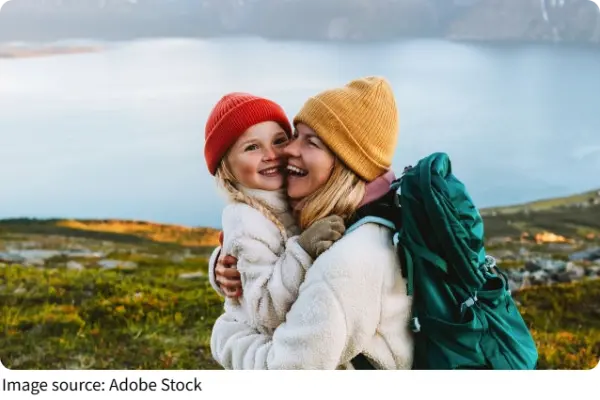
Family hiking is about more than reaching a destination. It helps children discover nature, develop confidence, and enjoy meaningful time with their parents. A suitable route, comfortable equipment, enough food and water, and clear safety rules can make every trip more enjoyable.
The best family adventure is one where everyone feels comfortable, included, and ready to explore again.
10 Essential Tips For Hiking With Kids
Video by Trekology