Paraw Boat Heritage

Liam Reilly
19-11-2026
 · Travel Team
Hi, Lykkers! Along the beautiful coastline of Boracay, traditional paraw boats offer more than an enjoyable way to explore the sea.
Their distinctive construction, colorful sails, and lightweight design reflect generations of maritime knowledge developed across the Philippine islands.
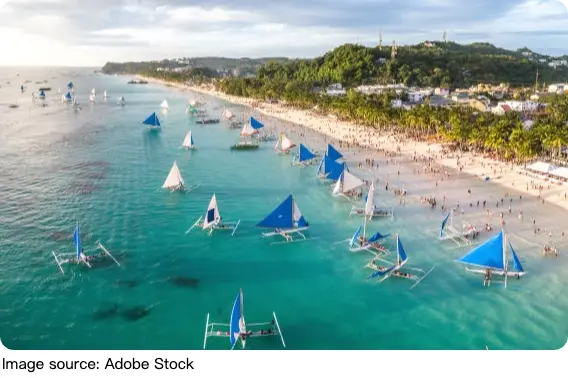
Today, these sailing boats have become a recognizable part of Boracay's coastal scenery, attracting visitors interested in traditional boat craftsmanship, outdoor activities, and the island's connection with the ocean.
Understanding the Traditional Design
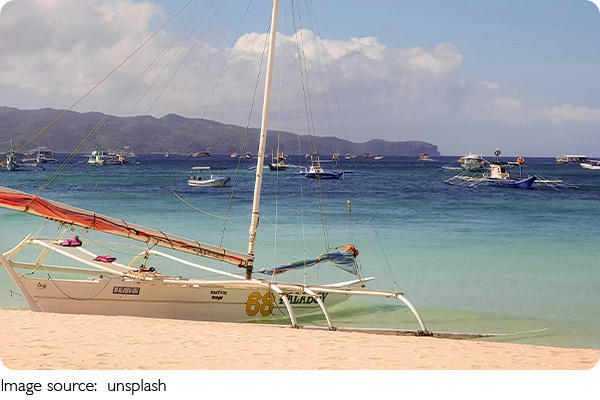
A paraw is a traditional Philippine sailing vessel known for its narrow central hull and supporting outriggers. These additional structures extend from both sides of the boat, helping maintain balance while sailing. The design allows the vessel to travel through coastal waters using wind power rather than relying entirely on an engine.
Mountains Ten Minutes From Downtown, a Grid You Can Learn in a Day, and a Lake That Surprises First-Timers
What to See, Where to Stay, and How to Move Around George Town on a Realistic Budget.
A practical look at ferries, jeepneys, and what a week in Cebu actually costs.
What to know before you go, from the four-kilometer sand stretch to costs and timing.
Laos's quiet capital rewards slow walkers, early risers, and anyone who skips the tour bus.
A golden stupa, a quiet cloister, and a few smart tips for seeing Laos' national monument without the crowds.
One of its most recognizable features is the sail, which catches the wind and propels the boat forward. Depending on the vessel, sails may feature bright colors or simple patterns that stand out against the surrounding blue water.
The combination of the hull, outriggers, and sails creates a distinctive silhouette that is easily recognizable along Boracay's beaches.
Traditional boat construction also demonstrates an understanding of local marine environments. The materials, proportions, and overall structure are designed to accommodate the movement of water and changing wind conditions.
Although modern recreational versions may include updated materials and equipment, they retain many characteristics of the traditional design.
The Skills Behind Sailing
Operating a paraw requires more than simply raising its sail. The crew must understand wind direction, water movement, balance, and navigation. Adjusting the sail at the appropriate moment helps maintain a comfortable course, while the outriggers contribute to the vessel's stability.
For visitors, observing these techniques can make the sailing experience more interesting. The crew's movements, the changing position of the sail, and the boat's response to the wind provide a glimpse into practical maritime skills.
Travelers can also learn about the differences between traditional working vessels and recreational paraws. While both share recognizable design elements, tourist boats are generally adapted to accommodate passengers and provide a more comfortable sailing experience.
Paraw as Part of Boracay's Coastal Identity
The presence of paraw boats contributes to Boracay's distinctive seaside atmosphere. Their colorful sails create an attractive contrast with the island's white beaches and tropical surroundings. They are frequently featured in travel photography and have become a familiar sight for visitors exploring the coastline.
Beyond their visual appeal, these boats represent a connection between local communities and the sea. They highlight the importance of sailing knowledge and traditional craftsmanship in an island environment where maritime activities have long played a role in everyday life.
Travel Tips for Exploring Paraw Boats
- Choose an experienced crew: Ask about the operator's sailing experience and passenger safety arrangements.
- Ask about the boat design: Learning about the outriggers and sails can make the experience more meaningful.
- Wear comfortable clothing: Lightweight outfits are practical for spending time on the water.
- Protect personal belongings: Use waterproof bags for cameras, phones, and other valuables.
- Check weather conditions: Strong winds and rough seas can affect sailing schedules.
- Respect the equipment: Follow instructions when boarding and avoid touching ropes or sailing equipment without permission.
Appreciating a Maritime Tradition
A paraw sailing experience provides an opportunity to appreciate the relationship between traditional craftsmanship and the natural environment. Its recognizable design, practical construction, and reliance on wind make it an interesting part of Boracay's maritime character. For travelers who enjoy learning about local traditions alongside exploring beautiful destinations, discovering the paraw offers a rewarding perspective on the island.