Healthy Meals for Kids

Caleb Ryan
16-11-2026
 · Information Team
Balanced nutrition is essential for children's physical growth, cognitive development, and overall health.
During childhood, the body requires a variety of nutrients to support muscle development, brain function, immune health, and overall physical development.
Providing nutritious meals from an early age also helps establish positive eating habits that can continue throughout life. A balanced eating pattern includes vegetables, fruits, whole grains, protein-rich foods, and dairy products or suitable fortified alternatives. Combining these food groups throughout the day helps provide the nutrients children need at different stages of development.
Why Nutrition Matters During Childhood
Adequate nutrition supports several important processes involved in childhood development. Carbohydrates provide energy for learning and physical activities, while protein supplies essential building blocks for tissue growth and muscle development.
Essential dental care practices for healthy teeth and proper development throughout childhood
How reading nurtures children's cognitive development, language skills, imagination, and emotional growth
Clear goals and regular money reviews can help make saving part of your routine.
Compare the fee with the cost of doing the work yourself, then look for relevant experience.
Stablecoins can move payments, and tokens can track ownership, but wider adoption does not make crypto less risky.
Shared records help households spot spending patterns, set a budget, and save for common goals.
Vitamins and minerals contribute to immune function, healthy vision, brain activity, and other essential processes. Dietary fibre supports digestive health, while calcium and vitamin D contribute to normal growth and physical development.
The importance of establishing nutritious eating patterns early is also reflected in established health guidance.
"A healthy diet helps children grow and learn." — MedlinePlus, National Library of Medicine.
Essential Foods for Growing Children
A varied diet provides different nutrients that work together to support children's development. The following food groups are important components of everyday meals.
Vegetables and Fruits
Carrots, broccoli, spinach, peas, sweet potatoes, oranges, strawberries, bananas, and apples provide vitamins, minerals, water, and dietary fibre. Offering different colors, flavors, and textures encourages children to enjoy a wider variety of nutritious foods.
Protein-Rich Foods
Fish, eggs, beans, lentils, and chickpeas provide protein and other essential nutrients. These foods contribute to tissue growth, muscle development, and normal physiological functions. Including different protein sources throughout the week adds nutritional variety.
Whole Grains and Starchy Foods
Oats, brown rice, whole-wheat bread, and potatoes provide carbohydrates for energy. Whole grains also supply dietary fibre and important micronutrients that contribute to a balanced eating pattern.
Milk and Dairy Products
Milk, yogurt, and cheese provide calcium and protein, which support healthy growth, muscle function, and overall physical development. Suitable fortified alternatives can also provide calcium and vitamin D, depending on their nutritional composition.
How to Build Balanced Meals
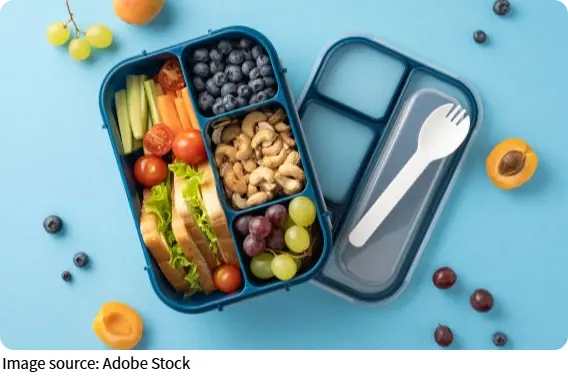
Nutritious meals can be prepared using familiar ingredients and simple combinations. Parents can use the following approach when planning everyday meals:
- Vegetables and fruits: Include a variety of colorful options throughout the day.
- Protein: Add fish, eggs, lentils, beans, or chickpeas.
- Grains and carbohydrates: Choose oats, brown rice, whole-wheat bread, or potatoes.
- Calcium-rich foods: Include milk, yogurt, cheese, or suitable fortified alternatives.
Portion sizes should reflect the child's age, growth, appetite, and activity level. Offering smaller initial servings and allowing children to request more supports a flexible approach to mealtimes.
A balanced eating pattern does not require every meal to contain every food group. Variety across the day is more important than following a rigid meal formula.
Developing Positive Eating Habits
Family routines play an important role in shaping children's food preferences. Making nutritious choices familiar and enjoyable can help children develop confidence in trying different foods.
Parents can support healthy eating habits through several practical approaches:
- Introduce variety: Offer different vegetables, fruits, grains, and protein sources.
- Make food appealing: Present meals with different natural colors, shapes, and textures.
- Encourage participation: Involve children in selecting fruits, washing vegetables, and preparing simple dishes under supervision.
- Maintain regular routines: Establish consistent times for meals and nutritious snacks.
- Lead by example: Sharing balanced meals as a family helps children become familiar with nutritious food choices.
Repeated exposure to different foods, without pressure, gives children opportunities to become comfortable with new flavors and textures.
Planning Nutritious Daily Meals
A practical meal routine can provide variety without requiring complicated preparation.
- Breakfast: Oatmeal served with banana slices and milk.
- Lunch: Brown rice with grilled fish and steamed vegetables.
- Dinner: Egg and vegetable dishes served with sweet potatoes.
- Snacks: Fresh fruit, plain yogurt, or other suitable nutritious options.
Water should also be readily available throughout the day, particularly during physical activities and warm weather.
Food allergies, dietary preferences, and individual nutritional requirements should be considered when planning meals. Children with specific dietary needs may benefit from guidance from a qualified healthcare professional or dietitian.

Building Lifelong Healthy Habits
Nutritious meals provide children with essential nutrients for growth, learning, and development. A varied eating pattern, appropriate portions, and enjoyable family mealtimes help establish a strong foundation for long-term health.
By making balanced food choices part of everyday life, parents can support children's nutritional needs while encouraging a positive and lasting relationship with food.