Healthy Teeth for Kids

Bianca
16-11-2026
 · Information Team
Dental health is an important part of childhood development, supporting nutrition, speech, sleep, and general well-being.
Teeth begin developing before birth, while the first baby teeth usually emerge around six months of age. Establishing appropriate hygiene, balanced nutrition, and regular dental care early helps support healthy development.
Tooth decay, also known as dental caries, occurs when bacteria in dental plaque convert dietary sugars into acids that gradually weaken tooth enamel. Repeated acid exposure can lead to cavities. Consistent preventive care helps protect children's teeth and supports healthy dental development.
Understanding Tooth Development
Primary teeth play an essential role in chewing, speech development, and maintaining space for permanent teeth. Although they are eventually replaced, caring for them helps establish healthy dental habits and supports normal childhood development.
How reading nurtures children's cognitive development, language skills, imagination, and emotional growth
Clear goals and regular money reviews can help make saving part of your routine.
Compare the fee with the cost of doing the work yourself, then look for relevant experience.
Stablecoins can move payments, and tokens can track ownership, but wider adoption does not make crypto less risky.
Shared records help households spot spending patterns, set a budget, and save for common goals.
The tools behind blockchain trading and lending give investors more to assess than price momentum.
The first teeth commonly appear around six months, although eruption timing varies. Caregivers should begin cleaning the gums before teeth emerge and start brushing as soon as the first tooth appears, using a small, soft-bristled toothbrush.

Fluoride and Enamel Protection
Fluoride strengthens tooth enamel and supports remineralization, helping teeth recover from early mineral loss. Age-appropriate fluoride toothpaste is an important part of cavity prevention.
For children younger than three, a rice-grain-sized smear is generally recommended. Children aged three to six should use no more than a pea-sized amount. For children younger than two, caregivers should consult a dentist or healthcare professional about fluoride toothpaste. Supervised brushing helps ensure the correct amount is used and encourages children to spit out the toothpaste rather than swallow it.
Dental professionals may also recommend fluoride varnish according to each child's dental needs and cavity risk.
Nutrition and Dental Health
A balanced diet provides nutrients that support healthy tooth development. Calcium and phosphorus contribute to tooth structure, while vitamin D supports calcium absorption. Protein also contributes to normal growth and development.
Nutritious choices include dairy products, eggs, fish, beans, vegetables, and fresh fruit. Drinking water regularly supports hydration, while fluoridated water can provide additional protection against tooth decay where available.
Limiting frequent sugary snacks and sweetened drinks also helps protect enamel. Establishing balanced meal and snack routines supports both nutritional needs and healthy dental habits.
Professional Dental Care
A child's first dental appointment should take place when the first tooth appears or no later than the first birthday. Early examinations allow dental professionals to monitor tooth development, assess cavity risk, and recommend suitable preventive care.
The Centers for Disease Control and Prevention emphasizes the importance of early dental hygiene: “Brushing children’s teeth is recommended when the first tooth erupts, as early as 6 months, and the first dental visit should occur no later than age 1 year.”
Depending on individual needs, professional preventive care may include fluoride varnish, dental sealants on suitable teeth, and guidance on effective brushing techniques. Regular follow-up appointments help monitor the transition from primary to permanent teeth.
Building Healthy Dental Habits
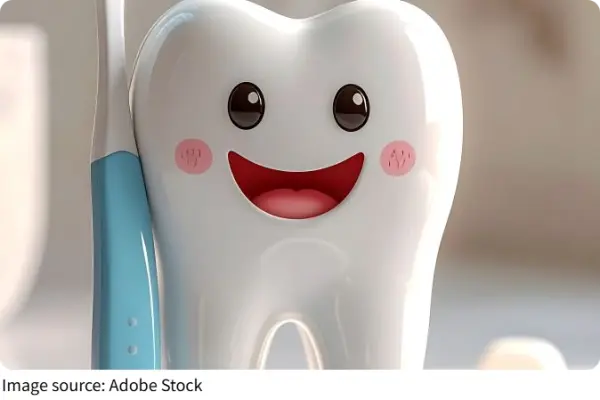
Healthy childhood teeth depend on consistent daily care, appropriate nutrition, and regular professional assessment. Caregivers can support this process by supervising brushing, encouraging nutritious food choices, and arranging dental visits from infancy.
Establishing these habits early creates a strong foundation for healthy teeth, confident smiles, and long-term dental well-being.