Longjing Tea Terraces

Pardeep Singh
16-11-2026
 · Travel Team
Most visitors come to Hangzhou for West Lake and leave without ever stepping into the hills where the city's most famous product grows. The Longjing tea terraces sit just beyond the lake's western edge, close enough for a half-day trip but different enough to feel like another world.
If you have never walked through a working tea landscape, the first visit raises practical questions: where should you actually go, when is the harvest, and what should you bring? This guide covers the essentials with specific places to help you plan.
Start in Longjing Village
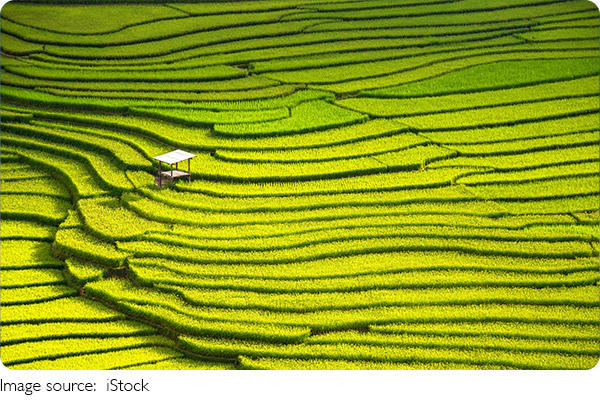
Longjing Village is the natural first stop and the source of China's most famous green tea. The village spreads across Shifeng Mountain, with terraced fields climbing the slopes and tea houses tucked between the rows.
From Merzouga’s Golden Dunes to Starry Desert Nights: Six Unforgettable Adventures in Morocco’s Sahara!
Drifting through history: six of China's most memorable boat rides!
Chasing the Sunset on a Boracay Paraw: A Guide to Sailing, Scenery, and Island Relaxation.
Sailing Boracay’s Paraw: A Timeless Island Experience on the Water.
A Journey Through Banaue: Travel Tips, Village Trails, and Mountain Views.
Banaue’s Mountain Landscap.e: A Living Masterpiece of Nature and Tradition
Walk the stone paths through the fields, and you will pass the Eighteen Imperial Tea Trees, ancient bushes linked to a royal story that locals enjoy sharing. The China National Tea Museum is also here, free with an online reservation, and offers context on tea varieties and firing techniques before you taste anything. Plan roughly two to three hours for the village and museum together.
Longjingcun
Add Meijiawu for a Second Perspective
Meijiawu is a separate tea village about six hundred years old, tucked into the hills west of West Lake, where nearly every family still grows and processes Longjing. The terraces here feel broader and more open than in Longjing Village, and the village lanes are lined with tea-drying yards and small family workshops. Many half-day tours pair the two villages, spending around ninety minutes walking the Longjing fields before continuing to Meijiawu for a tasting or a meal at a tea farmer's house. If you only have time for one village, Longjing is the classic choice, but Meijiawu rewards those who want a slower, less crowded stop.
Time Your Visit Around the Harvest
Spring is the season that matters. The 2026 West Lake Longjing harvest began in mid-March, with pickers collecting leaves to the traditional "one bud, one leaf" standard for high-grade tea. Late March through May is the prime window, and the period just before Qingming is especially prized for leaf quality. Summer visits are greener and quieter but hotter, and the fields lose the fresh-picking energy of spring. Arrive in the morning or late afternoon for softer light and thinner crowds, since midday brings both heat and tour groups.
What to Wear and Carry
This is a walking destination, not a viewing platform. Wear comfortable, non-slip shoes, because some stone paths in Longjing Village are mossy and slippery, especially after rain. Bring sun protection and mosquito repellent, particularly from late spring through summer, when the insects around the tea hills and nearby streams are active. If you plan to hike between villages or down to the Jiuxi streams, carry water and a light layer, as the mountain paths offer little shade in exposed sections and the temperature shifts as you move between open fields and wooded valleys.
Getting There and Getting Around
Longjing Village has no direct subway access. The nearest station is Huanglongdong on Line 3, from which a bus or taxi takes about fifteen minutes. Bus 27 or 87 from downtown drops visitors at the Longjing Tea Room stop, a five-minute walk from the village. If you prefer a private vehicle, a half-day tour with a driver and guide removes the transport puzzle entirely and typically includes pickup from your hotel or Hangzhou East Railway Station. For independent travelers, a taxi from the city center is straightforward, but returning can be harder in the late afternoon, so plan your exit before the day gets late.
Practical Tips for a Smooth First Visit
Book any tea-picking or hand-firing experience in advance, especially during spring, when local guesthouses and workshops fill up. If you buy tea directly from a farmer, taste before you commit; the village is full of shops, and quality varies. Keep your itinerary flexible. The terraces are best experienced without rushing, and a half-day spent between one village and another, with a short walk through the fields, will feel more rewarding than trying to cover every stop on a list. Finally, check the weather. Rain transforms the hills into misty layers that some travelers find even more beautiful than a clear day, but it also makes the stone steps treacherous.

Final Thoughts
The Longjing tea terraces are not a single attraction to tick off, but a working landscape spread across several villages. Start with Longjing Village for the classic terraces and tea history, add Meijiawu if you want a second village and a farmhouse meal, and build your day around the morning or late afternoon light. Wear shoes you can walk in, carry protection from sun and insects, and leave room for an unplanned cup of tea on a terrace. The hills reward travelers who slow down enough to notice the rows, the pickers, and the quiet between them.