Banaue Green Escape

Eleanor
18-11-2026
 · Travel Team
Hi, Lykkers! Nestled in the mountainous region of northern Luzon, Banaue Rice Terraces offer one of the most remarkable landscapes in the Philippines.
Known for their sweeping green slopes, carefully arranged rice fields, and dramatic mountain scenery, the terraces attract travelers seeking a destination that combines natural beauty, traditional farming, and a peaceful atmosphere.
The area provides a refreshing contrast to busy cities, making it an appealing choice for visitors who appreciate outdoor exploration and scenic destinations.
A Landscape Shaped by Generations
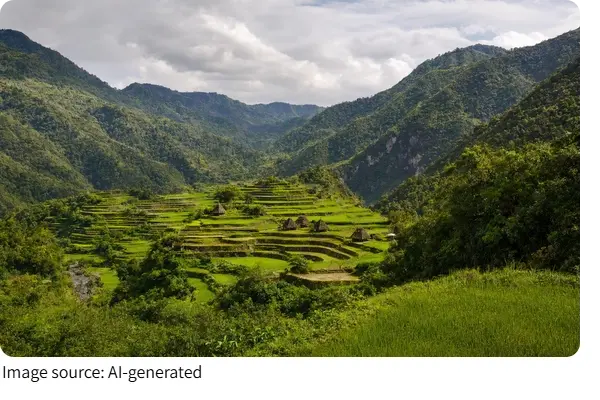
The Banaue Rice Terraces are located in Ifugao Province, where mountains have been transformed into layered agricultural fields. The terraces follow the natural contours of the landscape, creating a series of steps that stretch across steep hillsides.
Beyond the Mountains: Discover the Everyday Charm of Ladakh.
Beyond the Blue Walls: Experience the Everyday Magic of Jodhpur.
Step into the African wilderness! Experience Zambia's wildlife, open landscapes, and unforgettable walking trails!
Ready for a nature adventure? Experience Bolivia's national parks, rich wildlife, and dramatic scenery!
Looking for a wildlife escape? Malawi offers beautiful reserves, diverse animals, and peaceful scenery!
Love outdoor adventures? Chile's parks feature dramatic coastlines, ancient forests, and mountain views!
Their distinctive appearance reflects generations of knowledge, careful planning, and an understanding of the surrounding environment.
The irrigation systems are equally impressive, directing water from mountain streams and forests toward the rice fields. Stone and earth structures support the terraces, helping farmers cultivate crops on terrain that would otherwise be difficult to use.
This combination of agriculture and landscape design makes Banaue an extraordinary example of how communities can adapt to mountainous environments.
The terraces change appearance throughout the year depending on the planting cycle. Some seasons bring bright green fields, while others reveal golden rice crops ready for harvest. These changing colors give the region a different atmosphere with every visit.
Banaue Rice Terraces
Scenic Views and Photography
One of the most memorable experiences in Banaue is admiring the terraces from elevated viewpoints. The layered fields create natural patterns that stretch across the mountains, while clouds and mist occasionally drift between the hills.
Early mornings can be especially beautiful, when soft sunlight illuminates the landscape and the surrounding mountains appear quietly beneath the changing sky.
Photography enthusiasts can capture a variety of scenes, from wide panoramic views to close-up details of stone walls, rice plants, pathways, and small farming structures. Rather than rushing between viewpoints, spending time observing the scenery often reveals more interesting compositions.
The weather can change quickly in mountainous areas, creating opportunities for photographs with dramatic skies and shifting light.
A Destination Beyond the Ordinary
Banaue offers more than picturesque scenery. It provides an opportunity to experience a slower pace of life and observe how agriculture remains closely connected to the environment. Visitors may encounter local farmers working in the fields, traditional houses, small villages, and everyday activities that reflect the character of the region.
The surrounding communities also contribute to the destination's appeal through locally made crafts, regional food, and welcoming accommodations. Exploring small settlements and nearby walking routes can provide a deeper understanding of the area without requiring an elaborate itinerary.
Travel Tips for Visiting Banaue
Planning ahead can make a mountain trip more comfortable and enjoyable.
- Choose the right season: Drier months generally make roads and walking routes easier to navigate, while wetter periods bring greener scenery but may involve slippery paths.
- Bring suitable footwear: Comfortable walking shoes with good grip are essential for uneven terrain.
- Pack layers: Mountain temperatures can be cooler, especially in the morning and evening.
- Protect photography equipment: A waterproof bag or cover can help protect cameras and phones from sudden rain.
- Allow extra travel time: Roads in the mountain region can be winding, and journeys may take longer than expected.
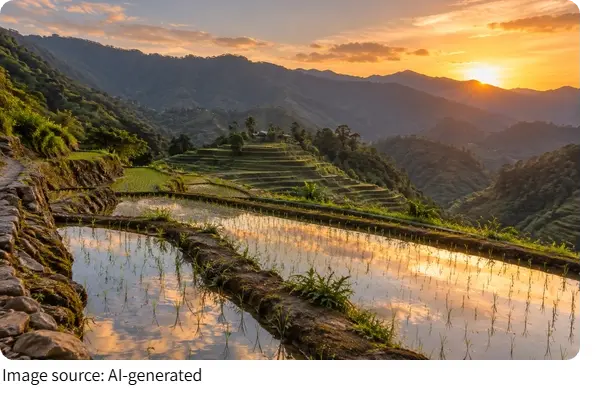
Banaue Rice Terraces remain an extraordinary destination for travelers who appreciate landscapes shaped by nature and human ingenuity. Their beauty lies in the balance between mountain scenery, agricultural heritage, and the quiet rhythm of rural life, offering a memorable experience far removed from the usual urban travel routine.