Mountain Road Skills

Claire
18-11-2026
 · Auto Team
Mountain driving requires a combination of preparation, concentration, and precise vehicle control.
Steep gradients, winding roads, changing visibility, and varying road surfaces demand a different approach from ordinary highway driving.
Understanding how to manage speed, braking, gears, and following distance helps drivers maintain control while making the journey more comfortable and enjoyable.
Managing Speed on Descents
Descending a mountain road requires careful speed management. Continuous braking over a long distance can generate excessive heat, potentially reducing braking effectiveness. To help prevent this, select an appropriate lower gear before beginning the descent and use smooth, controlled braking when necessary.
Driving habits, tire care, weather and maintenance help explain why fuel use varies.
Learn how service schedules, oil-level checks, and dashboard warnings guide different maintenance decisions.
Most drivers follow too close. A simple counting method fixes that fast.
Weak cold air usually isn't a dead system. Here's how to check it and what routine care actually keeps it alive.
Most drivers track oil changes and tire pressure, but the small stuff quietly wears out everything else.
A quick look at the four-phase cycle and why it still powers most cars on the road.
Avoid relying entirely on the brake pedal to regulate speed. Instead, allow engine braking to assist while maintaining a speed suitable for the gradient, road surface, and visibility. If the brakes show signs of overheating or their performance changes, stop at a safe location and allow them to cool before proceeding.
Using Gears Effectively
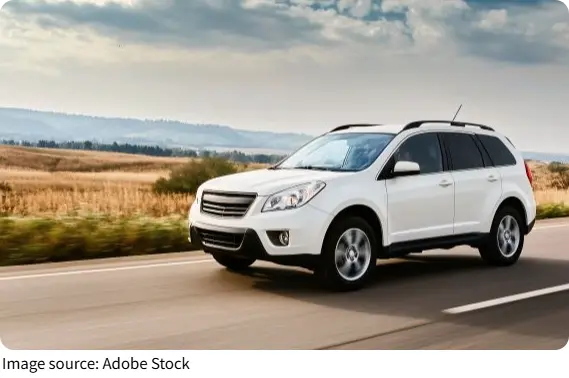
Choosing the correct gear is essential when travelling downhill. A lower gear allows the engine to help control the vehicle's speed, reducing the need for continuous braking. Automatic vehicles may offer manual selection or a dedicated low-gear setting, depending on the model.
The appropriate gear varies with the steepness of the road, vehicle weight, and transmission design. Drivers should follow the manufacturer's recommendations and avoid selecting a gear that causes excessive engine speed. Maintaining a suitable gear throughout the descent supports smoother speed control and more predictable handling.
Approaching Mountain Corners
Mountain bends require careful observation and smooth steering. Look ahead through each corner to identify its direction, visibility, and possible changes in the road. Adjust your speed before entering the turn, leaving enough room to maintain control throughout the manoeuvre.
On roads with limited visibility, remain within your lane and be prepared for approaching vehicles, cyclists, and motorcycles. Avoid sudden steering movements or unnecessary acceleration. A controlled approach, consistent positioning, and gradual acceleration when the road opens up help maintain stability.
Maintaining Control on Uphill Roads
Climbing steep roads places additional demands on the engine and transmission. Select a suitable gear that provides enough power for the gradient while allowing smooth acceleration. Maintaining a consistent driving approach helps reduce unnecessary gear changes and supports steady progress.
When starting on a steep incline in a manual vehicle, the handbrake can help prevent backward movement while the clutch and accelerator are coordinated. Drivers should also monitor the engine temperature during extended climbs, particularly in warm conditions. If the temperature rises above its normal operating range, reduce engine load and follow the vehicle manufacturer's guidance.
Allowing Sufficient Following Distance
Adequate space between vehicles is particularly important on mountain roads. Steep gradients, limited sightlines, tight bends, and changing road surfaces can affect stopping distances and reaction time.
Maintain a greater following distance when visibility is restricted or the road becomes more demanding. Allow additional room behind heavily loaded vehicles and avoid following motorcycles or cyclists too closely. A generous safety margin provides more time to respond to changes in traffic and road conditions.
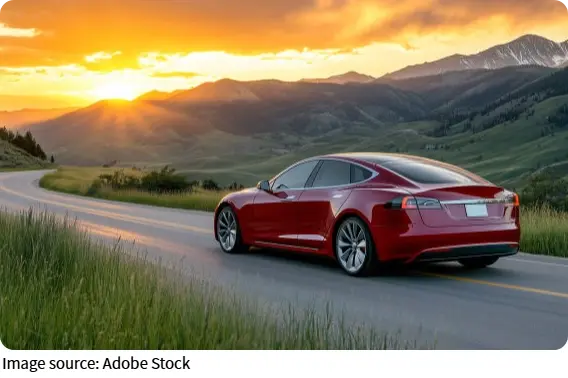
Successful mountain driving depends on preparation, appropriate speed, and smooth vehicle control. Using suitable gears, managing braking carefully, anticipating corners, monitoring vehicle performance, and maintaining sufficient following distance all contribute to a more controlled journey. By applying these techniques consistently, drivers can navigate steep climbs and winding descents with greater confidence, comfort, and awareness.