Scottish Borders Goes Blue

Amara
17-11-2026
 · Travel Team
The Scottish Borders Council is marking World Children’s Day on 20 November 2026 with a local “Go Blue” campaign focused on children’s rights and youth participation. Schools and council employees are being encouraged to wear blue, while the council headquarters tower will also be illuminated in the same colour.
This year’s theme, “My Day, My Rights, My Future,” puts particular emphasis on listening to young people and involving them in decisions that affect their lives.
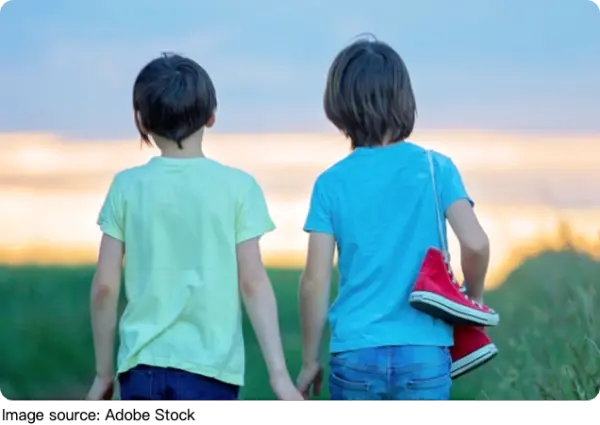
A Community Campaign for Children's Rights
The campaign forms part of UNICEF's wider Go Blue initiative, which encourages communities, schools, organisations, and public institutions to use the colour blue to draw attention to children's rights. In the Scottish Borders, participation will include staff members and schools wearing blue clothing on Friday, November 20.
What makes Marathi cinema stand out? A diverse film selection brings regional stories into focus!
Plan a visit with current admission details, transport options, and time to explore beyond the main hall.
A fast, practical guide to Shenzhen's tech markets, coastal parks, and easy cross-border transit.
What films will take the spotlight? India's international festival reveals a fresh lineup of cinema!
What is India's plan for the opening Test? Gill addresses Pant's role and the team's strategy!
Why has India struggled to replace Ashwin? The search for a reliable off-spinner remains a challenge!
The council headquarters tower will also be lit in blue as a visible sign of support. The activity is intended to bring attention to the rights of children and young people while encouraging conversations about the responsibilities of families, institutions, and local communities in protecting them.
World Children's Day is observed every year on November 20. The date marks the anniversary of the United Nations Convention on the Rights of the Child (UNCRC), adopted in 1989. The convention establishes that children have their own rights and that governments have responsibilities to protect and fulfil them.
This Year's Theme Puts Young Voices First
The 2026 theme, “My Day, My Rights, My Future,” highlights the importance of allowing children to express their opinions and take part in decisions that influence their lives. It also draws attention to the opportunities young people need to develop their abilities and shape their own futures.
The message is closely connected to the principle that children should be listened to rather than treated only as recipients of decisions made by other people. Their experiences, concerns, and ambitions can offer valuable insight into the services and environments intended to support them.
UNICEF's global campaign similarly encourages children to share their ideas about the future they want. Parents, teachers, community organisations, and decision-makers are encouraged to take those views seriously and create opportunities for meaningful participation.
In the Scottish Borders, the council is using World Children's Day to reinforce the idea that listening should happen throughout the year. Children's rights do not become less important once the annual observance has passed.
Councillor Highlights the Importance of Everyday Support
Councillor Julie Pirone, the council's Executive Member for Education, Youth Development and Lifelong Learning, emphasised that every child should have the opportunity to be heard, feel safe, and reach their potential. She also highlighted that the year's theme is about placing children and young people at the centre of decisions affecting them. Their perspectives and aspirations deserve attention, while schools, public services, and communities share responsibility for responding to their needs.
Her comments underline an important distinction between simply asking young people for their opinions and making sure their contributions can influence decisions. Participation becomes meaningful when decision-makers listen carefully and take appropriate action.
YELL Gives Young People a Role in Decision-Making
The Scottish Borders' commitment to youth participation is also reflected in its YELL strategy, short for Youth Engagement Listen to Learn. The initiative provides a framework for involving young people in discussions and decisions that affect their lives. YELL was developed with contributions from young people aged 12 to 25 and launched in 2024. Its creation followed a consultation in which more than 1,000 young people shared their views about how they wanted to participate in decision-making.
That involvement is significant because it means the strategy was shaped by the people it is intended to support. Rather than assuming what young people need, the council sought their perspectives on how engagement should work. The initiative also reflects the broader message of World Children's Day: young people should have opportunities to express their views and see those views recognised.
Why World Children's Day Matters Beyond November
World Children's Day provides an annual opportunity to bring children's rights into public attention, but its purpose extends beyond a single date. The UNCRC covers important areas of children's lives, including protection, education, development, and the right to express opinions.
The 2026 theme connects those principles with the everyday experiences of young people. Having a voice means being able to share concerns and ambitions, while having rights means those views should be respected within decisions that affect them.
The Scottish Borders' plans for World Children's Day 2026 combine a visible community campaign with a longer-term commitment to youth participation. Wearing blue and illuminating the council headquarters tower will draw attention to children's rights, while YELL provides a practical example of how young people can contribute to local decision-making.

The message behind “My Day, My Rights, My Future” is that children deserve to be heard throughout the year, with their views and opportunities treated as an essential part of building their futures.