Delphinium Garden Tips

Arjun Mehta
17-11-2026
 · Lifestyle Team
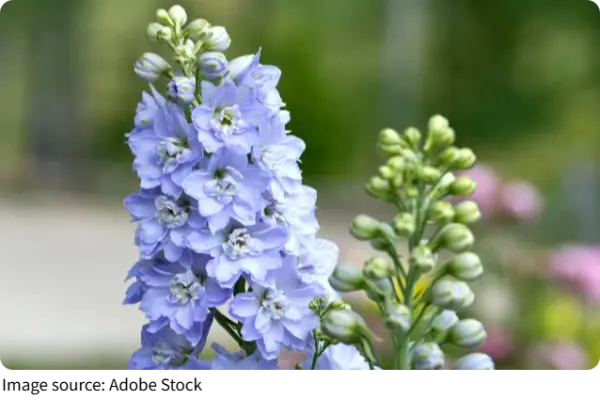
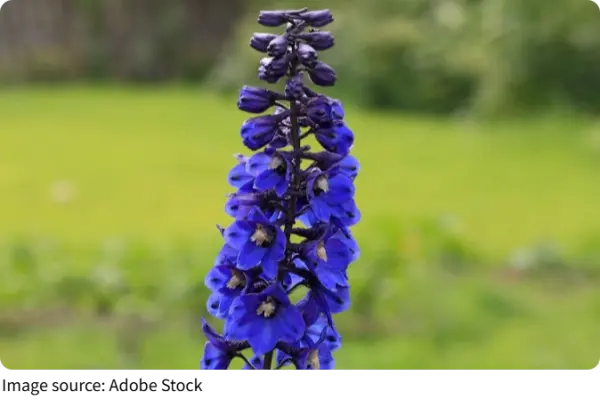
Delphiniums, also known as larkspurs, are popular garden flowers admired for their tall stems and clusters of colorful blooms. Their flowers come in shades of blue, purple, pink, and white, making them attractive choices for garden beds, borders, and containers.
With suitable planting time and proper care, these elegant plants can become a highlight of the spring garden. Autumn is an excellent time to start preparing seeds for a colorful display.
Getting to Know Delphiniums
Delphiniums are herbaceous perennial plants that prefer cool growing conditions. They are known for their upright flower spikes, which add height and structure to garden designs.
Depending on the variety, some plants grow approximately 35–60 centimeters tall, making them suitable for containers and smaller spaces. Taller varieties can reach 180 centimeters and work well at the back of flower borders.
Love natural interiors? Bring warmth home with earthy colors, cozy textures, and organic decor!
Choosing the right surfboard can change your surfing experience! Learn which types, shapes, and materials suit you best.
10 Skateboard Moves Every Beginner Should Learn to Build Confidence, Improve Balance, and Master the Basics!
Need a workspace at home? Blend comfort and function with clever layouts and stylish bedroom office decor!
How can blue cottage decor create a cozy feel? Soft hues and rustic accents bring timeless charm!
Want a cinema experience at home? Stylish seating, soft lighting, and smart layouts set the mood!
Although delphiniums tolerate cold temperatures, they are less comfortable in prolonged heat. In warmer regions, gardeners may find it easier to grow them as annuals or short-lived biennials.
Understanding Growing Requirements
Some delphiniums require a period of low temperatures to encourage flowering. This process is called vernalization, which means exposing plants to cool conditions for a certain period.
Gardeners in warmer areas can look for varieties that flower without this cooling requirement. Compact plants are suitable for container planting, while taller varieties work well in garden beds and at the back of flower borders.
Choosing plants according to their mature height and local climate makes growing easier and helps create a balanced garden arrangement.
How to Start Delphinium Seeds
Seed sowing is one of the most common ways to grow delphiniums. September and October are suitable planting months when temperatures are below approximately 28°C. In colder regions, seeds can also be started in early spring.
Begin with loose, well-draining seed-starting soil. Small containers, peat-based growing media, or individual seed-starting plugs are practical choices. Planting one seed in each container makes later transplanting easier.
For faster germination, soak seeds in warm water for two hours. Place them between damp paper towels in a shaded location. Once small white roots appear, transfer them carefully into the prepared soil.
For direct sowing, moisten the soil first. Place seeds on the surface and cover them with approximately 0.2–0.5 centimeters of vermiculite or fine growing material. Keep the soil moist but not waterlogged. Germination generally takes 7–14 days.
Caring for Young Seedlings
Once seedlings emerge, gradually introduce them to brighter conditions. Sufficient light helps prevent weak, stretched growth and encourages stronger stems.
Young seedlings do not need fertilizer immediately. Water when the soil surface begins to dry. When plants develop approximately four true leaves, begin feeding them with diluted liquid fertilizer. Start with a weak solution and gradually increase its strength as they grow.
Avoid keeping the soil constantly wet. Delphiniums tolerate some dryness but do not respond well to waterlogged conditions. Allowing the growing medium to dry slightly between waterings encourages healthier root development.
Transplanting and Daily Care
When leaves begin filling the seed-starting container, move each plant into a slightly larger planter. If several seedlings share one container, separate them after they develop five or six leaves. Keep as much original soil around the roots as possible during transplanting.
Choose loose, well-draining soil for permanent planting. A slightly acidic growing medium is suitable for containers, while good-quality general-purpose potting soil can also work.
Delphiniums prefer plenty of sunlight but tolerate some light shade. Water thoroughly when the soil has dried out, allowing excess water to drain away. During active growth, balanced fertilizer supports healthy foliage and flower development.
Managing Seasonal Changes
Established delphiniums can tolerate temperatures as low as approximately -30°C under suitable conditions. Plants requiring vernalization may benefit from temperatures around 5°C for approximately one month. Avoid keeping these plants excessively warm throughout winter.
Summer heat is a greater challenge. In regions with mild summers, delphiniums may survive and return the following year. In areas with prolonged high temperatures, they may struggle, making seasonal cultivation a practical alternative.
Encouraging More Flowers
After the first flowering period, remove the finished flower spikes. Some delphiniums may produce another round of blooms under favorable conditions.
Avoid cutting back the growing tips to encourage bushier growth, as unnecessary trimming can affect flowering. Instead, focus on healthy roots, sufficient nutrients, suitable sunlight, and appropriate watering.
Final Thoughts
Growing delphiniums from seed takes patience, but the results can be rewarding. By choosing plants suited to the local climate and providing good drainage, sunlight, and consistent care, gardeners can enjoy impressive flower spikes in spring. Whether planted in containers or garden borders, these elegant flowers bring height, color, and variety to outdoor spaces.
How To Grow Delphiniums Flowers | Delphiniums Planting & Caring
Video by Gardening Story