Social Skills Outdoors

Eleanor
11-11-2026
 · Lifestyle Team
Much of the school day takes place in the classroom, but outdoor group study gives children a different setting in which to get to know one another.
The point of these outings is not just to learn about what they see. Children also get to practice social skills as they work toward a common goal. They can learn from these repeated interactions as well as from a teacher's instructions.
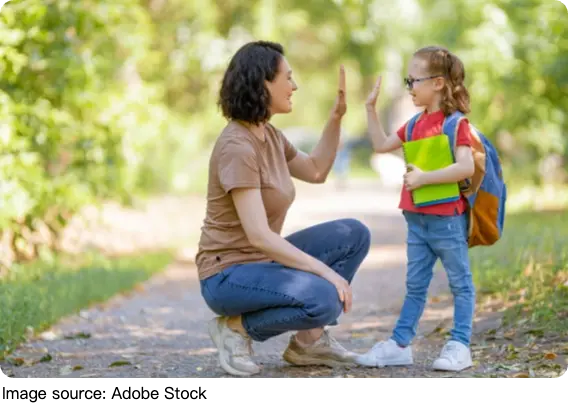
Shared Tasks Give Talk Purpose
When children work on a common outdoor task, conversation has a clear purpose. On a nature walk, for example, a bird survey gives one child the role of spotting movement, another the job of writing notes, and another the task of checking a field guide.
That setup encourages them to ask direct questions, give short updates, and confirm what they heard. Instead of one child doing most of the talking and the rest drifting off, the group has to exchange useful information to finish the task.
Gentle outings can make room for movement, conversation, or a quiet break.
A sheltered seat, adjustable layers, and a light bag make it easier to settle in with a book outdoors.
How curiosity, flexible goals, and small changes keep personal development going later in life.
Love relaxed, artistic spaces? Find how boho interiors blend natural textures and charm!
Stop Playing It Safe—These Color Rules Transform Dull Rooms Instantly!
Love raw textures and urban charm? Create an industrial living room with character and style!
New Settings Mix Groups
Children often stay with familiar classmates at school, but outdoor group study can change that pattern. A scavenger hunt along a trail or a team mapping exercise can bring together children who do not usually spend time with one another.
When the focus is on collecting leaves, identifying insects, or marking locations, there is less pressure to make small talk. Children who do not know each other well can start by helping with the task and talk once they have something to share. They do not have to become friends right away to work together.
Small Problems Teach Cooperation
Group outings do not always go as planned. During a team observation project in a park, children may disagree about which path marker they passed, who should carry the sample bag, or how to divide observation time.
Those disagreements give children a chance to negotiate, take turns, explain their thinking, and adjust when a classmate offers a better idea. Building a model shelter from fallen leaves and branches, for instance, lets children try out different suggestions together rather than simply listening to a reminder about teamwork.
Responsibility Builds Confidence
Children often act differently when they feel trusted with a visible role. In an outdoor study group, that role might be timekeeper, map reader, plant recorder, or equipment checker. A child who is quiet during class discussion may speak up when the group needs the compass or the worksheet.
Having a job to do makes it clearer when to join the conversation and what to say. A timekeeper, for instance, can tell the others when it is time to move to the next observation point. As classmates start to rely on a child for directions or materials, the child can see how their contribution helps the group.
Noticing What Others Need
Outdoor study does not just draw attention to plants, weather, or landforms. It also gives children a chance to notice how their classmates are doing. In a shared activity, they may see who is tired, who is confused, who is excited, and who is still waiting for a turn.
When a group takes water samples by a stream, for instance, children have to wait and pass tools in order. A child who is eager to move on can pause to check whether a classmate is ready. A child who has been hanging back can take a turn when the tools reach them.
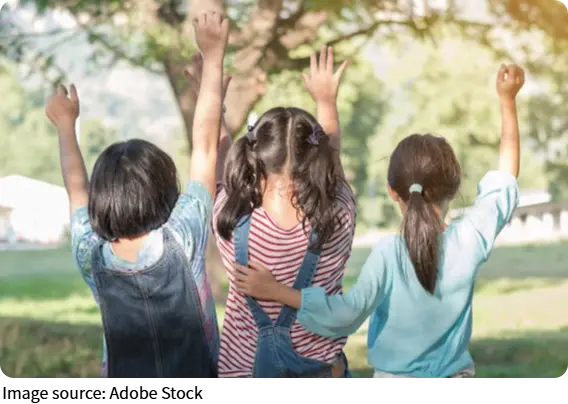
When choosing an outing, look at how it is organized, not just what the children will study. Ask the leader to walk you through what each child will do during the activity, including how the group will share the materials and what children who finish their part early will do while their classmates are still working.