Benefits of Outdoor Play

Claire
08-11-2026
 · Information Team
Outdoor play is an important part of healthy childhood development. Activities such as running, cycling, climbing, and exploring nature encourage children to stay active while developing essential physical and cognitive skills.
Whether playing in a local park or exploring natural spaces, children benefit from opportunities to move, discover, and interact with their surroundings.
Regular outdoor activity supports cardiovascular fitness, muscular strength, coordination, and emotional well-being. It also helps children establish healthy routines and develop skills that contribute to their long-term development.
Supporting Heart and Muscle Health
Physical activity strengthens the cardiovascular system by improving the body's ability to deliver and use oxygen. Running, cycling, swimming, and playing ball games help develop cardiovascular endurance and overall fitness.
How Early Dental Care, Healthy Habits, and Proper Nutrition Support Children's Smiles for Life
Why funding change at high-emission firms, not only clean ones, helps businesses modernize and cut risk.
What automation, analytics, and new risks mean for finance professionals and the skills they now need.
Why coordination, clear roles and trust cut costs, speed up decisions and keep staff and customers loyal.
Why regular checks catch errors and fraud before they affect loans, rates, or other applications.
Mapping due dates against paydays cuts late fees, overdrafts, and end-of-month stress.
Climbing, jumping, and other active movements engage different muscle groups, contributing to muscular strength, balance, and physical control. Including a variety of activities in children's routines helps support their physical development and encourages an active lifestyle from an early age.
Supporting Healthy Vision
Spending time outdoors is associated with a lower likelihood of developing myopia, commonly known as short-sightedness. Research suggests that regular exposure to natural daylight is particularly beneficial for children's visual development.
Outdoor environments also provide opportunities to look at objects at different distances while engaging in physical activities. Walking in parks, cycling, playing outdoor games, and exploring green spaces are practical ways to incorporate more outdoor time into everyday routines.

Developing Coordination and Balance
Outdoor activities help children develop control over their movements and improve coordination. Cycling encourages balance, climbing involves coordinated movements, and throwing or catching a ball strengthens hand-eye coordination.
Running, jumping, and navigating playground equipment also develop spatial awareness and the ability to adjust body movements.
These skills are useful in everyday activities, sports, and physical education. Offering different forms of play allows children to develop a broad range of movement abilities.
Promoting Mental and Emotional Well-Being
Outdoor play provides opportunities for children to explore their interests, express creativity, and experience different environments. Physical activity can support emotional well-being, while natural surroundings encourage curiosity and imaginative thinking.
Learning a new cycling skill, completing a walking route, or mastering playground equipment can also strengthen confidence and provide a sense of achievement.
Parents can encourage these benefits by supporting children's interests, allowing them to explore at their own pace, and recognizing their progress.
Building Healthy Family Habits
Participating in outdoor activities together helps families make physical movement a regular part of daily life. Walking, cycling, visiting playgrounds, and exploring nature create opportunities for shared experiences and meaningful communication.
These activities also encourage cooperation and social skills while helping children develop positive attitudes toward exercise.
Consistent family participation can make an active lifestyle more enjoyable and easier to maintain as children grow.
Making Outdoor Activity Part of Daily Life
Children need regular opportunities for physical movement. The World Health Organization (WHO) provides the following recommendation: "Children and adolescents should do at least an average of 60 minutes per day of moderate- to vigorous-intensity, mostly aerobic, physical activity, across the week."
This recommendation highlights the importance of making movement a consistent part of childhood. Activities can include sports, cycling, active games, and other enjoyable forms of exercise.
Younger children benefit from frequent active play throughout the day, with activities appropriate to their age and developmental stage.
Parents can establish practical routines, such as morning walks, afternoon playground visits, or outdoor games after school. Choosing activities that children enjoy can encourage consistent participation.
Safety should remain part of these routines. Children should wear suitable clothing and protective equipment, use appropriate sun protection, drink enough water, and take breaks when needed.
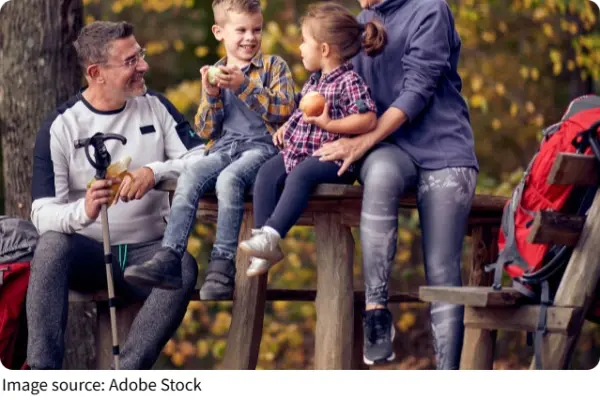
Outdoor play supports children's development in several important ways, from improving physical fitness and coordination to encouraging curiosity and emotional well-being. It also creates valuable opportunities for family interaction and the development of healthy habits.
By making outdoor activities a regular part of childhood, parents can help children build physical skills, confidence, and a lasting appreciation for an active lifestyle.