Inside Lusail Circuit!

Pankaj Singh
23-11-2026
 · Travel Team
The Losail International Circuit presents Formula 1 drivers with a combination of long straights, tight corners and fast sweeping sections. Located outside Doha, Qatar, the venue was originally opened in 2004 for motorcycle racing.
Its layout creates several challenges for Formula 1 teams, particularly when preparing aerodynamic settings, managing tyre temperatures and planning race strategies. The circuit measures 5.380 kilometres and contains 16 corners, including 10 right-hand turns and six left-hand turns.
A Track Filled With Fast Corners
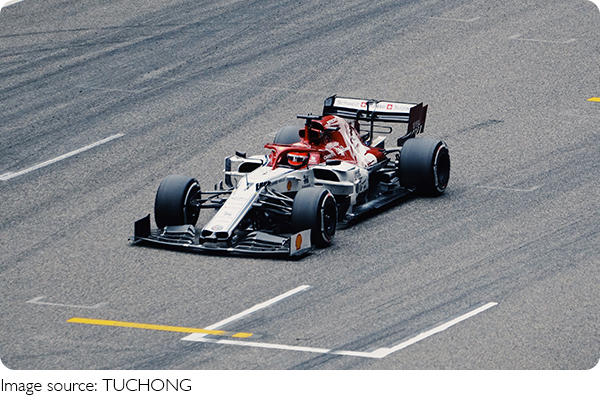
Losail features a long main straight stretching more than one kilometre before drivers reach Turn 1, a tight hairpin and the circuit's only DRS zone. The opening corner leads into a technical section from Turns 4 to 9, where repeated changes of direction place considerable demands on the tyres. The middle section features faster sweeping bends, followed by a combination of corners that leads back towards the start-finish straight.
What happens in an emergency? Qatar GP venue prepares shelter plans to protect F1 visitors!
What's changing Black Friday shopping? AI, Gen Z, and delivery trends are reshaping the big sale!
Are Black Friday discounts really worth it? Explore why shoppers are losing trust in promotions!
Will Thanksgiving dinner cost more this year? Explore rising food prices and budget-friendly bright spots!
What can you prepare early? Plan your Thanksgiving menu with make-ahead dishes and fresh favorites!
More than just racing! What makes the Las Vegas Grand Prix a must-see event for F1 fans?
There is a significant difference between the slowest and fastest corners. Turn 6 has an estimated speed of around 100 km/h, while Turn 13 can be taken at approximately 260 km/h. Drivers must therefore adjust their approach throughout the lap.
Finding the Right Car Setup
Preparing a car for Losail requires careful planning, particularly when teams have limited historical data from previous Formula 1 races at the venue. Ahead of the circuit's first F1 appearance, Mercedes relied on computer simulations and driver-in-the-loop simulator sessions to understand its characteristics.
Aerodynamic performance is especially important because the fast corners require sufficient downforce to maintain grip and stability. Teams must also consider the circuit's abrasive surface, which could increase tyre wear and temperature. Other details, including bumps and surface irregularities, can influence suspension settings and ride height. Friday practice provides an opportunity to collect real-world data and make adjustments before qualifying and the race.
Overtaking Opportunities
Passing another car may be difficult because the circuit has only one DRS zone. The main straight offers the clearest opportunity, particularly when drivers approach Turn 1 and prepare to brake for the tight corner. Turns 6, 10 and 16 could also provide opportunities for overtaking, especially when a rival makes a mistake or leaves enough room on the inside. However, the flowing nature of the track can make it difficult to stay close through several corners.
This makes qualifying performance particularly valuable. Starting near the front could provide an advantage, although tyre degradation may influence the final result. If wear becomes significant, teams could consider two-stop or three-stop strategies, making tyre management an important part of the race.
Weather and Track Conditions
November evenings in Qatar generally bring average temperatures above 25°C. Conditions are cooler and less humid than during the summer, with temperatures comparable to those experienced in Abu Dhabi. Track temperatures can be higher than the surrounding air temperature. Combined with the abrasive surface, this could increase tyre degradation and make temperature control important.
Sand is another environmental factor because of the circuit's location. Mercedes noted that cars circulating around the track generally help clear sand from the racing surface. Artificial grass is also installed around the circuit to reduce the amount of sand reaching the track.
Losail's Motorsport Background
Although Formula 1 initially had limited experience at Losail, the circuit already had an established motorsport history. It was constructed in less than a year and opened in 2004 for the Qatar round of MotoGP. In 2008, it hosted the first night race in MotoGP history. The venue has also welcomed World Superbike events and other international competitions.
Four-wheel racing has taken place there as well. The GP2 Asia Series visited in 2009, and the circuit later hosted rounds of the World Touring Car Championship. This experience provided an existing foundation before Formula 1 arrived.
Losail International Circuit combines high-speed corners, demanding tyre conditions and limited passing opportunities. Its long straight gives drivers one clear place to attack, while the remaining sections reward precision and consistent driving.
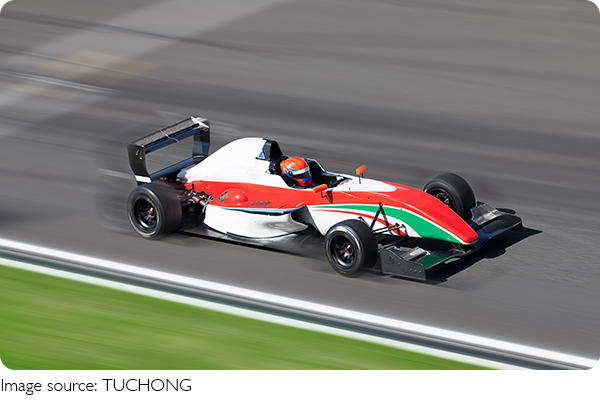
For Formula 1 teams, success depends on finding the right balance between aerodynamic performance, tyre management and car setup. Qualifying position could be important, but race strategy may also shape the outcome. Together, these characteristics make Losail a technically demanding venue for drivers and engineers.