Every Child Has Rights!
Kenji
17-11-2026
 · Travel Team
Children grow up in a world shaped by decisions made around them, from access to education and protection to the opportunities available in their communities. Yet their opinions are not always included when those decisions are made.
World Children’s Day provides an opportunity to change that by giving children a stronger platform to express what matters to them. In 2026, UNICEF is asking young people to share the future they want while reminding governments and communities that protecting children's rights must remain a daily responsibility.
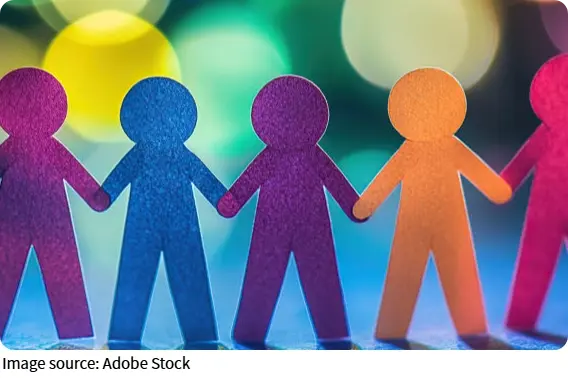
World Children's Day Takes Place on November 20
Observed every year on November 20, World Children's Day is UNICEF's global day of action for children, led by children themselves. The date marks two important milestones in the development of children's rights.
Are young people prepared for online threats? Explore the challenges of today's digital world!
How can classrooms inspire kindness? Try engaging activities that teach respect and inclusion!
Explore what Diabetes Month teaches us about the condition, its risks, prevention, and daily care!
Valencia secures the 2027 MotoGP season finale, bringing the championship battle to Spain once again!
Liberty brings a festive atmosphere to Valencia with fan parties and celebrations at the MotoGP finale!
Uncover surprising stories, racing traditions, and little-known facts behind the Sao Paulo GP!
On November 20, 1959, the United Nations General Assembly adopted the Declaration of the Rights of the Child. Thirty years later, on November 20, 1989, it adopted the Convention on the Rights of the Child (CRC), an international agreement recognising the rights of every child.
For 2026, UNICEF is using the message "My Day. My Rights. My Future." The campaign invites children to explain what their lives are like, what rights matter to them, and what kind of future they hope to have. It also calls on world leaders to listen and make decisions that put children's interests first.
Why Children's Voices Need Greater Attention
Children are affected by choices made in families, schools, communities, and governments. However, being affected by decisions does not always mean they have an opportunity to influence them. UNICEF emphasises that listening to children is essential to understanding how their rights are experienced in everyday life. This includes recognising situations where rights are protected, where support is missing, and where improvements are needed.
The organisation also points out that children and young people can contribute valuable ideas and perspectives. Their experiences can help identify problems that decision-makers might otherwise overlook. World Children's Day therefore encourages more than awareness. It asks communities and leaders to make room for children's opinions and include their priorities when planning policies and taking action.
How the Day Is Celebrated Around the World
Activities take place in many countries, with around 190 countries participating in UNICEF's World Children's Day initiatives each year. Events are designed to highlight children's rights and make young people's voices more visible. One well-known activity is the Kids' Takeover. Children temporarily take on prominent roles in areas such as media, business, sport, and entertainment.
By stepping into positions that are usually occupied by established professionals and public figures, they can draw attention to issues affecting their generation. These opportunities allow children to share their views with wider audiences. They also encourage organisations and decision-makers to take young people's ideas seriously.
Another recognisable campaign activity is turning the world blue. Schools, landmarks, and other buildings are illuminated or decorated in blue on November 20 to show support for children's rights. Previous participants have included the Eiffel Tower in France, Chichen Itza in Mexico. The blue displays provide a visible reminder that children's rights deserve attention across different countries and communities.
Ways Different Groups Can Take Part
- Young people can join the U-Report community, a platform that gives them opportunities to participate in conversations and share their views on issues affecting their lives.
- Parents and teachers can help children understand their rights. This includes introducing the Convention on the Rights of the Child in an accessible way and creating opportunities for children to express their opinions.
- Governments are encouraged to take concrete action to protect children's rights. This means recognising their responsibilities under the Convention and ensuring that children's needs are considered in decisions that affect them.
- Businesses can support the campaign by becoming partners and hosting a takeover. Their participation can provide additional platforms for young people to communicate their priorities and reach wider audiences.
Protecting Children's Rights Beyond One Day
UNICEF stresses that children's rights are human rights and should apply to every child, regardless of their circumstances or background. Nevertheless, those rights are still misunderstood, overlooked, or denied in many parts of the world. The Convention on the Rights of the Child establishes responsibilities for governments to respect, protect, and fulfil children's rights.
World Children's Day 2026 places children's experiences and ambitions at the centre of its campaign. The message is not limited to November 20. Children need their rights respected throughout the year, and their opinions should be considered in decisions that shape their lives. Listening to them is an important starting point for building a future in which every child has the opportunity to grow, participate, and reach their potential.