Pick the Right Surfboard

Antonio
03-11-2026
 · Sport Team
Hi, and thanks for joining us. Walk into any surf shop and the wall of boards looks endless, but the choice really comes down to matching a few things: your skill level, the waves you ride most, and how often you paddle out.
Get those aligned and the right board is easier to spot than you'd think.
Start with where you surf
Small, soft waves call for more foam and length. A longboard in the 8 to 9 foot range catches almost anything and lets you paddle into waves early, which is why beginners on gentle beach breaks gravitate toward them. Steep, fast reef breaks are a different story, and that's where a shorter board earns its place.
The longboard advantage
Longboards float well and paddle easily, so you spend less energy and catch more waves per session. They're forgiving on takeoffs, and cross-stepping toward the nose is a skill you can build for years. If your local break is mushy and under waist high most days, a longboard keeps you surfing instead of sitting.
Why regular, modest workouts do more for your heart, strength, balance, mood, and sleep than one hard session.
How mileage spikes, weak hips, worn shoes and skipped rest cause most injuries, and simple ways to prevent them.
Learn the core skills and safety habits that make summer surfing fun instead of frustrating.
Why a sudden rise on the scale often fades within days, while gain built over months takes longer to reverse.
How bike types, safety gear, trail ratings, and riding skills help beginners handle rough trails with confidence.
How a stable stance, simple waves, controlled slams and short intervals help beginners train safely.
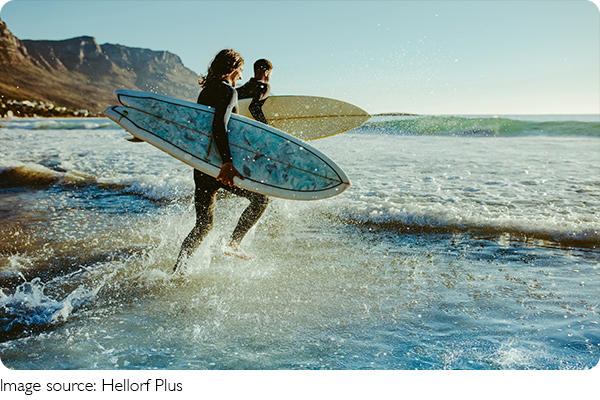
Fish and funboards fill the gap
A fish, typically 5'6" to 6'4" with a swallow tail and twin fins, works well in small-to-medium waves and paddles better than a pure shortboard. Funboards sit in between at around 7 to 8 feet and suit riders moving off a longboard who want more maneuverability without losing all the float.
Shortboards demand commitment
Shortboards, usually 5'8" to 6'4", turn sharply and fit under the lip on steeper waves. They also require solid paddle fitness and quick pop-ups. If you're still learning to stand consistently, a shortboard will cost you waves, not help you catch them.
Match the board to your body
Volume matters more than length alone. A heavier rider benefits from more liters of foam, and a lighter one can go thinner. Ask about volume in liters at the shop and be honest about your weight and experience. A board that's too small for you will feel unstable and slow to paddle.
Rent before you buy
Try a few shapes at your local break before committing. Many shops rent longboards, funboards, and fishes by the day, so you can feel the difference in real conditions. A used board in good condition is often a smart first purchase, and it saves money while you figure out what suits you.

The board that works is the one matched to your waves and your actual ability, not the one on the poster. Next time you're at the beach, watch what the regulars are riding, and ask why. You'll learn more in ten minutes of watching than an hour of scrolling.