Costa Rica Travel Guide

Nolan O'Connor
30-10-2026
 · Travel Team
Costa Rica offers an impressive variety of natural scenery within a relatively small country. Travelers can spend the morning walking through a misty forest, relax beside a volcanic hot spring in the afternoon, and enjoy a coastal sunset later in the day.
Its combination of outdoor activities, welcoming towns, and protected natural areas makes it an appealing destination for both adventurous visitors and those seeking a slower holiday.
When Is the Best Time to Visit?
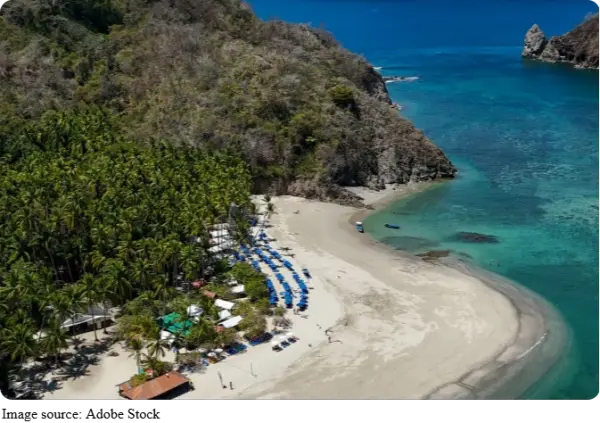
Costa Rica generally has two main seasons. The dry season runs from December through April and is popular with travelers looking for sunny days and beach activities. Pacific destinations are particularly attractive during this period, although accommodation prices and visitor numbers often increase.
Explore Oulanka's scenic trails, rushing rivers, and stunning forests in Finland's wild north!
A modest Swiss peak with big lake views, a mountain inn, and a quiet pass!
What to see and do in Yosemite, from Olmsted Point to El Capitan Meadow!
A frozen lake, a castle on the shore, and where to sleep and eat in Banff's winter wonderland!
How to plan a visit to Namibia's largest park, from dune walks and costs to beating the heat.
How to plan a Dolomites trip that actually works: where to base, what to see, and what it costs.
Explore Arenal and the Northern Highlands
The Arenal region is one of Costa Rica’s most recognizable destinations. Its landscape features a prominent volcano, forest-covered hills, and Lake Arenal. The nearby town of La Fortuna provides a convenient base for exploring the area. Visitors can follow nature trails, enjoy views of the surrounding countryside, or spend time at natural hot springs.
Costa Rica
Experience Monteverde’s Cloud Forest
Monteverde sits high in the Tilarán Mountains, where cool temperatures and frequent mist create a distinctive forest environment. Trees covered with moss, ferns, and orchids give the area a different atmosphere from the warmer lowland regions. The Monteverde Cloud Forest Biological Reserve is a popular place for guided walks. Elevated bridges and forest paths allow visitors to appreciate the vegetation from different levels, while knowledgeable guides can explain the area's natural environment.
Night walks are another option, offering a chance to observe the forest after sunset. Visitors interested in photography should bring suitable equipment and remember that quiet movement helps preserve the experience for everyone.
Relax Along the Pacific Coast
Costa Rica’s Pacific shoreline offers a mix of lively beach towns and quieter coastal settings. Guanacaste, in the northwest, is known for its sunny climate, attractive beaches, and opportunities for surfing. Tamarindo is a convenient base for visitors who enjoy coastal activities, restaurants, and local shops.
Further south, the Nicoya Peninsula has destinations such as Santa Teresa and Nosara. Their relaxed atmosphere appeals to surfers and travelers interested in outdoor wellness activities.
Discover the Caribbean Coast
The Caribbean side has a distinct character, with tropical vegetation, coastal communities, and a relaxed atmosphere. Puerto Viejo de Talamanca is a popular base for exploring nearby beaches and natural areas. Cahuita National Park offers walking trails and coastal scenery, as well as opportunities to appreciate its protected marine environment.
Getting Around Costa Rica
Travel between regions requires some planning because mountain roads, winding routes, and varying road conditions can make journeys longer than expected. Rental cars provide flexibility, particularly for travelers visiting several destinations. A four-wheel-drive vehicle may be useful on certain rural routes, especially during rainy months.
Estimated Travel Costs
Budget accommodation: €25–€60 per person per night.
Mid-range hotels: €70–€160 per room per night.
Luxury resorts and eco-lodges: €180–€450+ per room per night.
Local meals: approximately €6–€15 per person.
Rental car: around €35–€85 per day, with insurance and additional fees potentially increasing the total.
Guided nature tours: approximately €25–€90 per person.
Ziplining or rafting: roughly €40–€100 per person, depending on the activity.
National park entry: allow approximately €10–€25 per person for many popular parks, although individual fees vary.
Travel Responsibly and Prepare Well
Costa Rica's natural areas are among its greatest attractions, so visitors should follow marked paths, avoid feeding wildlife, and keep a respectful distance from animals. Pack lightweight clothing, a rain jacket, comfortable walking shoes, insect repellent, and sun protection.
Costa Rica rewards travelers who allow enough time to experience its different regions rather than rushing from one attraction to another. The forests of Monteverde, the volcanic scenery around Arenal, and the beaches along both coastlines each offer a distinct reason to visit.