Wear Knits, Not Bulk

Mariana Silva
24-10-2026
 · Lifestyle Team
Hello, and welcome. A knit sweater should feel easy, but it often ends up looking heavier than you wanted.
The issue usually is not the sweater itself. It is the way the shape, length, and layers work together.
If you want a knit to look clean instead of puffy, you need a few specific adjustments, not a whole new closet.
Fit does the heavy lifting
A roomy sweater sounds comfortable, but extra width in the shoulders and sleeves can make your whole outfit read bigger. A cleaner fit works better, especially with details such as a defined shoulder seam, a closer sleeve, or a slightly cropped hem. A crewneck that sits near the collar and a fine rib knit usually looks neater than a very loose roll-neck with dropped shoulders.
Kids don't procrastinate because they're lazy. The task just feels too big, so here's how you shrink it.
Could a few vintage pieces change a room? These details create a warm, timeless feel!
Five habits that help women in business recognize strengths, speak up clearly, and act before feeling ready.
The One Purchase That Changes How You Build a Jewelry Collection!
Want a fresh, healthy-looking glow? Build an easy skincare routine your skin will love every day!
Why is nail polish so loved? A splash of color adds charm, confidence, and personal style!
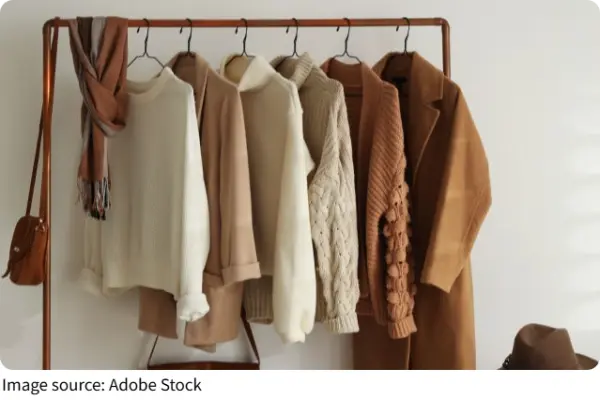
If your sweater has volume, keep it in one place. For example, a relaxed cable-knit with wider sleeves looks more balanced when the body is shorter and the hem stops near your waist instead of covering your hips.
Shorter hems look sharper
Long sweaters feel safe, but they often add width because they cover the narrowest point of your frame. A hem that ends around the waistband of your trousers or skirt usually gives you a clearer shape. That is why cropped knits and half-tucked styles keep showing up in everyday outfits. A simple front tuck into straight-leg pants or a midi skirt can make the waist easier to see without looking forced.
If the sweater is too long to tuck neatly, folding the hem under once can create a shorter line and reduce that weighed-down look.
Volume needs a clear counterpoint
A thick knit can work well, but not when every other piece is bulky too. Balance matters more than size labels. If you wear an oversized fisherman sweater, pair it with slim trousers, a column skirt, or jeans with a straight, close line through the hip. The same idea works the other way around. A fitted knit pairs well with wider pants because one part stays clean while the other adds movement.
What makes an outfit look crowded is not one loose item. It is two or three loose pieces fighting for space at the same time.
Texture and layers change everything
All knits do not behave the same way. A chunky cable pattern, a brushed surface, and thick ribbing all add visual weight. Finer gauges usually sit flatter, especially under coats or jackets. If layering is the goal, keep the base layer thin. A crisp collared shirt under a medium knit can work, but a thick shirt under a thick sweater usually builds bulk at the sleeves and chest.
Outerwear matters too. A structured coat with a clear shoulder line tends to control the shape better than a soft, oversized layer thrown on top of another oversized layer.
Simple styling details keep it clean
You do not need dramatic tricks. Small finishing choices do a lot. Pushing the sleeves up to show the wrist can break up bulk through the arms. Leaving some space at the neck, with a V-neck or an open collar under the knit, can keep the upper half from looking too closed in.
Even the bottom half helps. High-rise trousers often work better with sweaters because they meet the hem sooner, which makes proportions easier to manage. A belt worn over a longer knit can also define the waist, but it works best when the sweater is soft enough to shape without bunching.
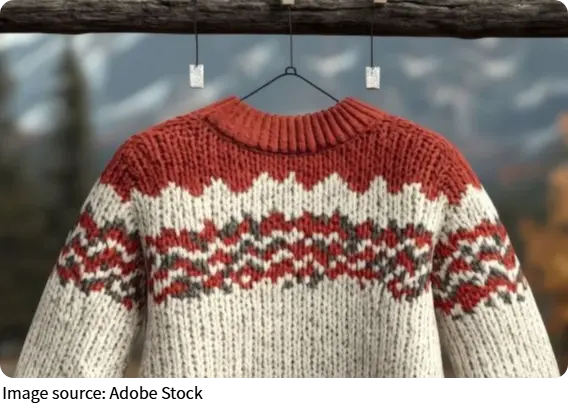
A knit sweater does not have to look oversized in the wrong way. If you focus on fit, keep the hem working with your waist, and balance one fuller piece with one cleaner piece, the whole outfit reads more intentional. Start with one sweater you already own, try a front tuck, switch the pants, adjust the sleeves, and check the difference. So the next time a knit feels too bulky, you will know it is usually a styling problem, not a sweater problem.