Cultivating For Diversity?

Marcus
10-10-2026
 · Plant Team
When you think of plant cultivation, what comes to mind? Fresh herbs growing in your kitchen? A vibrant garden full of flowers?
While these are beautiful outcomes, the broader and perhaps even more important impact of plant cultivation is its role in enhancing plant diversity.
Plant cultivation is not only a means of growing food and beautifying landscapes, but it’s also a key strategy for maintaining and increasing plant diversity, which is essential for a healthy and resilient environment. Let’s explore how growing a variety of plants can significantly boost biodiversity, protect ecosystems, and ensure the sustainability of our planet’s flora!
Planting for Diversity: The Foundation of Healthy Ecosystems
Brighten Your Home with the Bold and Beautiful Anthurium
Simple care moves that help ornamental plants stay fuller, greener, and happier indoors
Want a tiny garden? Try these charming little plants to bring more life into small spaces!
Want healthier golden pothos? Learn simple watering, light, pruning, and feeding tips today!
Discover the many uses of maple trees, from syrup to shade
A practical guide to caring for this striking tropical houseplant and its distinctive, textured foliage
When we cultivate a variety of plant species, we create a mosaic of genetic diversity, which benefits both plants and the ecosystems they inhabit. This diversity ensures that plant populations are more resilient to pests, diseases, and climate change. When we limit ourselves to monocultures, we risk weakening plant populations, making them more susceptible to collapse.
Diverse plantings, from garden vegetables to native wildflowers, contribute to robust ecosystems by providing a range of resources- nectar, pollen, seeds, and shelter- required by various species of insects, birds, and other wildlife. Planting a variety of species, rather than focusing on just a few, promotes ecological stability and fosters symbiotic relationships between plants, insects, and animals.
The Power of Native Plants: Local Biodiversity Boosters
Cultivating native plants plays a crucial role in enhancing plant diversity. Native plants are adapted to local soil conditions, climates, and ecosystems. They’ve evolved over centuries to coexist with local wildlife, including pollinators like bees, butterflies, and birds. By cultivating native species, you’re not only adding beauty to your garden but also supporting the intricate web of life that depends on them.
In recent years, there’s been a shift toward encouraging people to grow native plants, especially in urban areas. Cities like Portland and Vancouver are leading the way by offering incentives for homeowners and businesses to plant native species that promote biodiversity. These plants support local ecosystems, help manage stormwater, and reduce the need for chemical fertilizers and pesticides, which often harm biodiversity.
The Role of Community Gardens and Urban Farms
Urban farming and community gardening are powerful ways to increase plant diversity, especially in cities where access to nature can be limited. These spaces, whether small plots in community gardens or large urban farms, are hubs of plant diversity. By planting everything from fruit trees to edible flowers, these initiatives foster a deeper connection to nature and increase the variety of plant species in urban environments.
Not only do community gardens allow people to grow rare and endangered plant species, but they also serve as a resource for pollinators. For example, beekeepers have been planting wildflowers, such as echinacea and black-eyed Susan, to support local bee populations. This creates a safe, nourishing environment for pollinators while enhancing plant diversity, benefiting entire urban ecosystems.
Agroforestry: A Growing Solution for Biodiversity
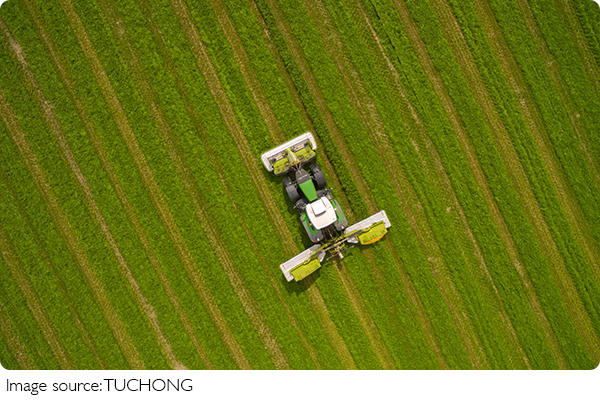
Agroforestry, the practice of integrating trees into agricultural landscapes, is a great example of how plant cultivation increases biodiversity. This approach combines the benefits of traditional agriculture with the biodiversity-enhancing qualities of forests. By planting a variety of trees, shrubs, and crops together, agroforestry mimics natural ecosystems, encouraging the growth of a wide range of plant species.
In regions such as Sub-Saharan Africa and Southeast Asia, agroforestry is used to restore degraded land and promote plant diversity. For example, planting trees like mangoes and cashews alongside smaller crops increases the availability of both food and habitat for other species, thus fostering a healthier, more diverse environment.
The Science Behind Plant Cultivation and Genetic Diversity
Plant cultivation doesn’t just increase the number of species in an area; it also increases the genetic diversity within those species. Growing multiple varieties of the same plant species can prevent the loss of genetic traits that might be essential for the plant's survival in changing environmental conditions.
Why Soil Diversity Matters in Plant Cultivation
Healthy, diverse soil ecosystems are crucial for promoting plant diversity. Plant cultivation that focuses on soil health through practices such as crop rotation, cover cropping, and reduced tillage supports a diverse range of soil organisms, from earthworms to fungi. These organisms, in turn, help create an environment where a variety of plant species can thrive.
The Future of Plant Cultivation: Sustainability and Resilience
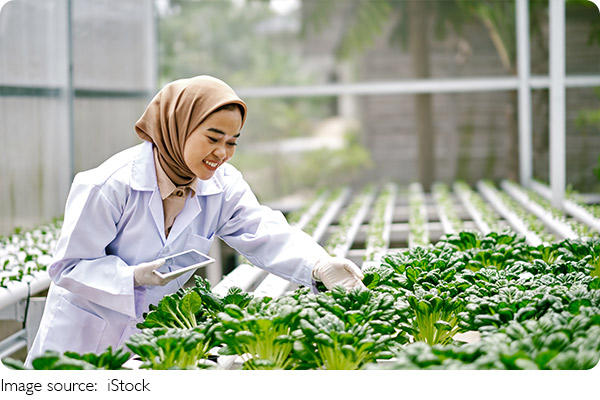
Initiatives like seed banks, permaculture farming, and vertical gardens are already helping to preserve genetic diversity and encourage the cultivation of a wider range of plant species. These efforts aim to ensure that future generations have access to a rich diversity of plants, which will be essential for both food security and ecological health.

Plant cultivation is a critical tool in increasing plant diversity. Whether through planting native species, promoting agroforestry, or supporting urban farming initiatives, cultivating a wide range of plant species plays a vital role in preserving biodiversity, improving ecosystem health, and ensuring a sustainable future for our planet!