Pilates Benefits

Elise
26-05-2026
 · Sport Team
A slow, controlled movement that looks simple at first often reveals its depth within seconds.
Pilates is built on precision, breathing, and alignment—yet its effects extend far beyond the mat. With regular practice, the body begins to move with more awareness, stability, and ease in everyday life.
It's not about intensity. It's about consistency and control.
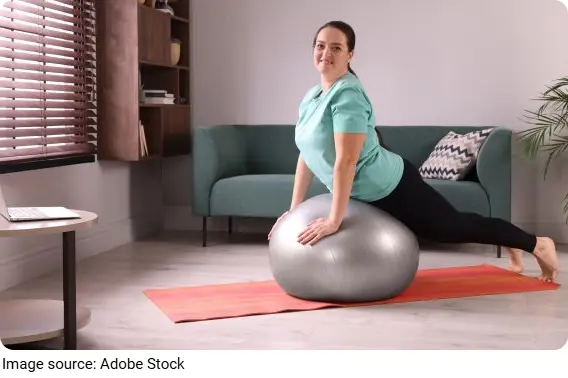
Core Strength That Supports Everything
One of the most noticeable outcomes of Pilates is improved core strength. Unlike isolated training, Pilates engages deep stabilizing muscles that support the spine and pelvis.
Abdominal control — strengthens deep core layers
Lower back stability — reduces strain during daily movement
Looking to stay active as a pair? These outdoor ideas bring fun and energy to your routine!
How high can we really fly over the ocean with parasailing, and what should we know before trying this sky adventure?
The simple kit that makes cold-weather days feel effortless and comfortable
How Do Sailboat Races Really Work at Sea? The Rules That Shape Every Turn, Route, and Finish Line Moment!
How Daily Activity Protects Your Body and Mind—Science Explained
Olivia Miles Leads Horned Frogs Past Washington in a Heart-Stopping NCAA game
Pelvic alignment — improves overall posture balance
A stronger core influences nearly every physical action, from sitting to walking.
Better Posture in Everyday Life
Modern routines often involve long hours of sitting, which can lead to rounded shoulders and stiffness. Pilates focuses on spinal alignment and muscle balance, helping the body return to a more natural position.
Over time, the body begins to self-correct posture without conscious effort. Standing tall becomes a default rather than a reminder.
Improved Flexibility Without Strain
Unlike fast stretching routines, Pilates builds flexibility through controlled movement.
Gradual lengthening — muscles stretch under control
Joint mobility — improves range of motion
Balanced tension — prevents overstretching
This approach reduces stiffness while maintaining stability, making movement feel smoother and more efficient.
Enhanced Body Awareness
Pilates trains attention as much as muscles. Each movement requires focus on breathing, alignment, and muscle engagement.
This awareness carries into daily life:
• Better coordination
• More controlled movement
• Reduced accidental strain during physical tasks
Over time, people often notice they move with greater precision even outside training sessions.
Reduced Muscle Imbalances
Many physical discomforts come from uneven muscle use. Pilates helps correct this by engaging both sides of the body evenly.
Left-right balance — reduces asymmetry
Deep stabilizers — support larger muscle groups
Controlled resistance — avoids overloading specific areas
This balance can reduce tension caused by repetitive movement patterns.
Stress Relief Through Controlled Breathing
Breathing is central to Pilates. Each movement is synchronized with inhalation and exhalation, creating a steady rhythm.
This breathing pattern encourages calm focus. It shifts attention away from external distractions and brings awareness inward, which can reduce mental tension after long work hours.
Joint-Friendly Strength Building
Unlike high-impact routines, Pilates places minimal stress on joints while still building strength.
Low-impact movements — gentle on knees and hips
Controlled resistance — reduces sudden pressure
Stable progression — suitable for long-term practice
This makes it accessible for a wide range of fitness levels.
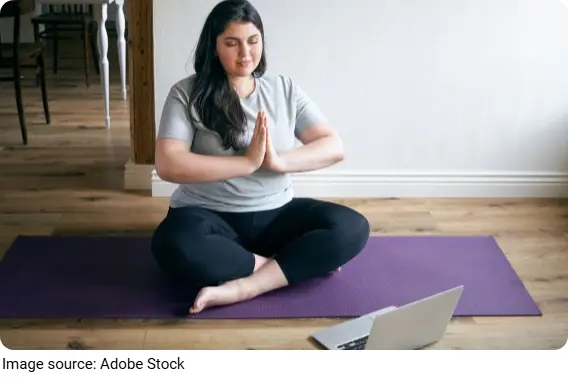
Pilates does not rely on quick transformation. Its value comes from repetition, refinement, and consistency. The body gradually becomes more aligned, stable, and efficient in movement.
What begins as a structured exercise routine often evolves into a deeper awareness of how the body moves through space—quietly improving strength, posture, and comfort in everyday life.